What causes pain in the back of the head?
Jun 23, 2025
Source: Cainiu Health

Dr. Yang Ziqi
Introduction
In general, pain in the back of the head may be caused by poor posture, mental stress, migraines, occipital neuralgia, hypertension, or other factors, and symptomatic management such as general treatment and medication may be needed. It is recommended to maintain a regular daily routine, ensure sufficient sleep each night to allow adequate rest for the brain, avoid staying up late, prolonged overtime work, and reduce excessive fatigue.
Generally, occipital pain may be caused by poor posture, mental stress, migraines, occipital neuralgia, hypertension, and other factors. Symptomatic management through general treatments, medications, and other methods is needed. If physical discomfort occurs, prompt medical consultation and treatment are recommended. A detailed analysis is as follows:
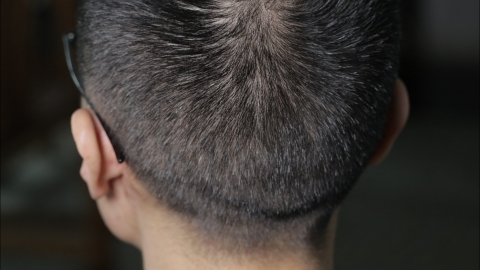
1. Poor Posture
Prolonged periods of looking down, tilting the head backward, or holding the head to one side can cause neck muscle tension and spasms, which may pull on the muscles and nerves in the occipital region, resulting in pain. This pain typically presents as intermittent or persistent dull ache, often accompanied by a stiff neck. It is recommended to maintain proper sitting and standing posture, regularly exercise the neck, and perform neck stretches to relieve muscle tension and pain.
2. High Mental Stress
Long-term mental tension, anxiety, and high stress levels can cause tension in the head muscles, leading to occipital pain. This type of pain usually manifests as tension-type headaches and may be accompanied by symptoms such as dizziness and insomnia. It is recommended to relieve mental stress through relaxation techniques such as deep breathing, listening to music, watching movies, and other calming activities.
3. Migraine
Migraines may be related to genetic factors, abnormal neurotransmitters, and vascular dysfunction, often accompanied by occipital pain. Symptoms may also include nausea, light sensitivity, and sound sensitivity. It is recommended to follow medical advice and use migraine medications such as sumatriptan tablets, zolmitriptan tablets, and almotriptan injections for treatment.
4. Occipital Neuralgia
Occipital neuralgia may be caused by various conditions such as cervical spondylosis, cervical tuberculosis, or trauma. Damage or compression of the occipital nerve can lead to abnormal nerve conduction, potentially causing pain in the back of the head. This condition is often accompanied by scalp tenderness and radiating pain in the occipital region. It is recommended to follow medical advice and use medications such as acyclovir tablets, ganciclovir tablets, and famciclovir tablets for treatment.
5. Hypertension
Hypertension is mainly caused by genetic factors, unhealthy lifestyle habits, and underlying diseases. Elevated blood pressure may lead to cerebral vasoconstriction and dilation, causing symptoms of occipital pain in hypertensive patients. This pain typically presents as intermittent throbbing or pulsating pain, often accompanied by symptoms such as dizziness and palpitations. It is recommended to take medications such as nifedipine tablets, methyldopa tablets, and captopril sustained-release tablets under medical guidance for treatment.
It is also recommended to maintain a regular lifestyle, ensure sufficient sleep each night to allow adequate rest for the brain, avoid staying up late, prolonged overtime work, and reduce excessive fatigue.