


Can malnutrition cause nosebleeds?
Jun 23, 2025
Source: Cainiu Health

Dr. Shen Yonghua
Introduction
In general, malnutrition may lead to nosebleeds, but this is not always the case. If discomfort occurs, it is recommended to seek timely medical consultation and treatment at a正规 hospital. To prevent and manage increased risk of nosebleeds caused by malnutrition, patients are advised to adjust their diet reasonably, increase nutrient intake, and improve overall health.
Generally speaking, malnutrition may lead to nosebleeds, but this is not always the case. If discomfort symptoms occur, it is recommended to seek timely diagnosis and treatment at a qualified hospital. Detailed analysis is as follows:
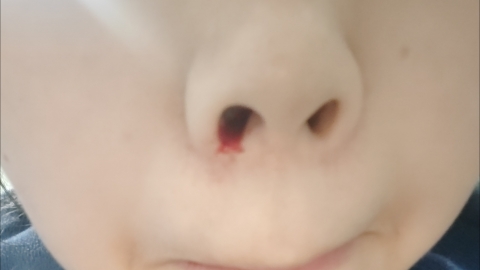
Malnutrition may affect multiple body systems and thereby increase the risk of nosebleeds to a certain extent, although it is not a definitive cause of nosebleeds. When the body remains malnourished for a prolonged period and lacks essential nutrients such as vitamin C and vitamin K, it can impact capillary elasticity and blood clotting function. A deficiency in vitamin C can impair collagen synthesis in blood vessel walls, making them fragile and prone to rupture; a deficiency in vitamin K can lead to insufficient synthesis of clotting factors, prolonging blood clotting time. Both situations may trigger nosebleeds. However, there are many causes of nosebleeds, including local nasal lesions, systemic diseases, and even environmental factors. Therefore, although malnutrition is one of the contributing factors to nosebleeds, it does not necessarily directly cause nosebleeds in the absence of other related factors.
To prevent and treat the increased risk of nosebleeds caused by malnutrition, it is recommended that malnourished patients adjust their diet reasonably, increase nutrient intake, and improve overall health. At the same time, it is important to keep the nasal passages moist, avoid nasal trauma and infections, and use medications cautiously to reduce the occurrence of nosebleeds.



