


Can you tilt your head back when you have a nosebleed?
Jun 23, 2025
Source: Cainiu Health

Dr. Lu Cheng
Introduction
In general, it is not recommended to tilt your head back when experiencing a nosebleed. If discomfort occurs, it is advisable to seek timely medical attention at a reputable hospital. The correct way to handle a nosebleed is to sit upright, lean slightly forward, and gently pinch the soft part of the nose with your fingers. Maintain this position for about 10 to 15 minutes. This can help stop the bleeding and reduce the chance of blood flowing into the throat.
In general, nosebleeds should not be managed by tilting the head backward. If discomfort occurs, it is recommended to seek timely diagnosis and treatment at a regular hospital. Detailed analysis is as follows:
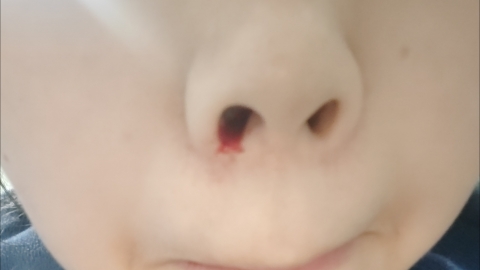
Tilting the head backward during a nosebleed is not recommended, as this practice cannot effectively stop the bleeding and may pose multiple risks. Tilting the head backward allows blood, which originally flows out through the nostrils, to flow backward into the throat and esophagus due to gravity. This blood might even enter the trachea, causing coughing and difficulty breathing; in severe cases, it could lead to choking. Swallowing this backflowed blood can irritate the gastrointestinal tract, causing nausea and vomiting. Moreover, tilting the head backward does not address the source of the nasal bleeding. Blood accumulation in the nasal cavity may lead to clot formation, and once the clot dislodges, bleeding may recur. This delays the optimal time for stopping the bleeding and hampers accurate assessment of the blood loss volume and bleeding site, thus negatively affecting subsequent management.
The correct approach is to sit upright and lean slightly forward. Use your fingers to gently pinch the soft part of the nose and maintain this posture for approximately 10 to 15 minutes. This helps stop the bleeding and reduces the chance of blood flowing into the throat. At the same time, stay calm, avoid strenuous activities and blowing the nose to prevent re-bleeding.


