


Can eating mulberries cause nosebleeds?
Jun 23, 2025
Source: Cainiu Health

Dr. Lu Cheng
Introduction
Under normal circumstances, eating mulberries does not cause nosebleeds. If you experience any discomfort, it is recommended to seek timely medical treatment at a正规 hospital. To avoid unnecessary health risks, it is advisable to have your personal health condition evaluated under the guidance of a qualified physician. When consuming mulberries, maintain a moderate and balanced diet, avoid spicy and irritating foods, and keep the environment humid.
Generally speaking, eating mulberries does not cause nosebleeds. If any discomfort occurs, it is recommended to seek timely medical treatment at a qualified hospital. Detailed analysis is as follows:
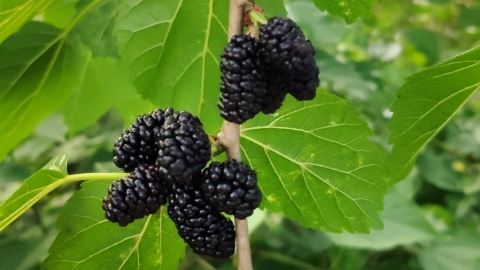
Mulberries are rich in nutrients such as vitamins, minerals, and anthocyanins. Consuming them in moderate amounts will not cause nosebleeds but rather benefit overall health. Although mulberries are sweet, they do not disrupt the body's internal balance or cause abnormal increases in nasal blood vessel pressure or fragility. When mulberries are consumed normally, the body digests and absorbs their nutrients, maintaining physiological balance through its own metabolic system. Nosebleeds are usually caused by factors such as dry or damaged nasal mucosa, blood disorders, or hypertension, and are not directly related to mulberry consumption. As long as intake is controlled and excessive consumption is avoided, nosebleeds generally do not occur from eating mulberries.
To avoid unnecessary health risks, it is advisable to assess individual health conditions under the guidance of a qualified physician. When consuming mulberries, maintain moderation and a balanced diet, avoid spicy and irritating foods, and keep the environment humid. If abnormal symptoms such as nosebleeds occur, prompt medical attention is recommended.


