


Can eating chili peppers cause hemorrhoids?
Jul 01, 2025
Source: Cainiu Health

Dr. Li Jingxiang
Introduction
In general, occasional consumption of chili peppers usually does not cause hemorrhoids; however, long-term consumption of chili peppers that leads to constipation may contribute to the development of hemorrhoids. If discomfort symptoms occur, it is recommended to seek timely medical consultation and treatment at a正规 hospital. To prevent the occurrence of hemorrhoids, extra attention is needed in daily life. Dietary habits should aim to remain balanced, reducing the intake of spicy and greasy foods.
Generally speaking, occasional consumption of chili peppers usually does not cause hemorrhoids. However, long-term consumption of chili peppers, especially when it leads to constipation, may result in hemorrhoids. If discomfort symptoms occur, it is recommended to seek timely diagnosis and treatment at a regular hospital. Detailed analysis is as follows:
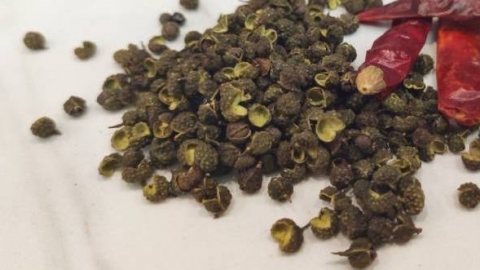
Occasional consumption of chili peppers generally does not trigger hemorrhoids. The human body has a certain capacity for self-regulation and adaptation. Although capsaicin in chili peppers may stimulate the gastrointestinal tract, the intestinal mucosa can quickly return to a normal state after a small intake, without significantly affecting the venous plexus in the anal and rectal areas. Additionally, if occasional spicy food consumption does not cause abnormal bowel movements, the local anal circulation and tissue structure will not undergo pathological changes, and thus hemorrhoids are unlikely to develop.
However, long-term consumption of chili peppers accompanied by constipation can easily induce hemorrhoids. Capsaicin in chili peppers continuously stimulates the intestines, causing repeated congestion of the intestinal mucosa. Over time, intestinal function may be affected, leading to constipation. When constipation occurs, prolonged defecation time and increased straining elevate pressure on the venous plexus in the anal and rectal areas, impeding blood return and gradually causing the veins to dilate and twist, forming hemorrhoidal nodules. Meanwhile, hard stools may scratch the anal skin and mucosa during excretion, increasing the risk of infection and further aggravating the development of hemorrhoids.
To prevent the occurrence of hemorrhoids, special attention is needed in daily life. Diet-wise, maintain a balanced intake, reduce consumption of spicy and greasy foods, eat more fiber-rich fruits, vegetables, and whole grains, ensure adequate hydration, and keep bowel movements smooth. Develop good bowel habits, defecate at regular times daily, and avoid prolonged sitting on the toilet. Avoid prolonged sitting or standing, increase physical activity appropriately, such as walking or jogging, to promote anal area blood circulation. Performing anal sphincter-strengthening exercises regularly can also enhance anal sphincter function. If symptoms such as anal discomfort or rectal bleeding occur, timely medical consultation and examination are advised for early detection and treatment.




