


Do endometrial polyps require surgery?
Jul 02, 2025
Source: Cainiu Health

Dr. Zhang Lu
Introduction
If the polyp diameter is less than 1 cm and there are no obvious symptoms such as abnormal vaginal bleeding, menstrual irregularities, or infertility, it may indicate benign hyperplasia, which may regress spontaneously in some cases and does not require immediate surgery. In such situations, regular ultrasound follow-ups can be performed to monitor changes in the polyp, while attention should also be given to lifestyle modifications, reducing estrogenic stimulation, maintaining regular作息 (作息 should be translated as "作息" is a Chinese term referring to daily routine or作息 habits), and following a light diet.
Whether endometrial polyps require surgical removal depends on the size of the polyps, associated symptoms, and the risk of malignancy. Not all polyps require surgical excision. If abnormalities are present, prompt medical attention is recommended. Detailed analysis is as follows:
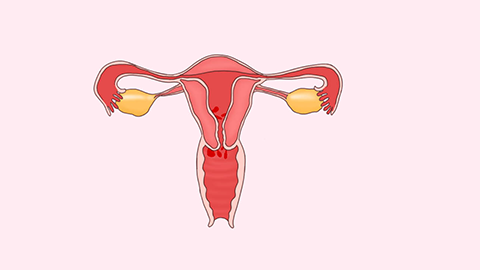
If the polyp is less than 1 cm in diameter and there are no obvious symptoms, such as abnormal vaginal bleeding, menstrual irregularities, or infertility, it may represent benign hyperplasia, and some cases may resolve spontaneously without immediate surgery. In such cases, regular ultrasound follow-ups can be performed to monitor changes in the polyp, while also focusing on lifestyle adjustments to reduce estrogenic stimulation, maintaining regular作息 (作息 here might mean作息 habits or routines), and following a light diet.
When the polyp is larger than 1 cm, or when symptoms such as increased menstrual bleeding, prolonged menstruation, intermenstrual bleeding, postmenopausal bleeding, impaired fertility, or recurrent miscarriages occur, surgical treatment is necessary. The usual procedure is hysteroscopic polypectomy, which allows precise removal of the lesion and histopathological examination of the tissue to rule out the possibility of malignancy. Particularly in postmenopausal women, endometrial polyps carry a higher risk of malignant transformation and thus require timely intervention.
After diagnosis of endometrial polyps, regular follow-up examinations should be conducted as directed by a physician. Observation or surgical treatment should be decided based on medical advice. Postoperative care should focus on personal hygiene and rest, with follow-up visits as required to reduce the risk of polyp recurrence. If abnormal bleeding or other symptoms occur, prompt medical attention is advised.





