


What are the symptoms of adenomyosis?
Jul 03, 2025
Source: Cainiu Health

Dr. Zhang Lu
Introduction
Under normal circumstances, symptoms of adenomyosis include menstrual irregularities, dysmenorrhea, dyspareunia, chronic pelvic pain, and infertility. If discomfort symptoms occur, it is recommended to seek timely medical consultation and treatment at a qualified hospital. Patients may follow medical advice to use medications such as drospirenone and ethinyl estradiol tablets, ibuprofen sustained-release capsules, or naproxen tablets to alleviate symptoms.
Generally, symptoms of adenomyosis include menstrual irregularities, dysmenorrhea, dyspareunia, chronic pelvic pain, and infertility. If discomfort symptoms occur, it is recommended to seek timely diagnosis and treatment at a reputable hospital. Detailed analysis is as follows:
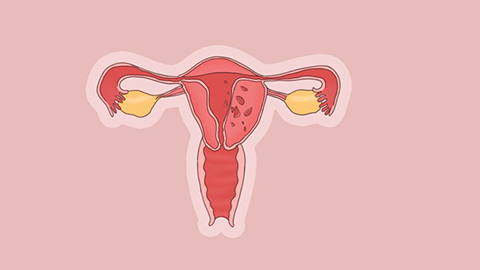
1. Menstrual irregularities: In patients with adenomyosis, the endometrium invades the myometrium, causing enlargement of the uterus and an increased uterine cavity surface area, which leads to greater endometrial shedding and heavier menstrual bleeding. Additionally, the lesion affects the normal contraction of the uterus, making it difficult for blood vessels to effectively constrict, resulting in prolonged menstruation and irregular menstrual cycles.
2. Dysmenorrhea: Normally, the endometrium sheds cyclically and is expelled through the vagina. However, in women with adenomyosis, ectopic endometrial tissue within the myometrium also undergoes cyclic bleeding but cannot be expelled, accumulating within the uterine muscle layer and forming microscopic hematomas. This stimulates surrounding tissues,引发 inflammation, and causes spasmodic contractions of the uterine smooth muscle, leading to progressively worsening dysmenorrhea.
3. Dyspareunia: Adenomyosis causes the uterus to enlarge and harden, and its position may change. During sexual intercourse, the penis may strike the congested, sensitive uterus or surrounding tissues, especially the posterior fornix, causing pain. If the lesion is located in the rectouterine pouch (pouch of Douglas), the pain may be more pronounced.
4. Chronic pelvic pain: Persistent adenomyosis lesions keep the uterus and surrounding tissues in a state of chronic congestion and edema, producing inflammatory mediators that stimulate pelvic nerve fibers, resulting in continuous dull pain and a sensation of pressure in the pelvis. The severity of pain varies and may worsen with fatigue or around the menstrual period.
5. Infertility: Adenomyosis alters the uterine internal environment. On one hand, lesions cause abnormal uterine peristalsis, affecting the normal transport and implantation of fertilized eggs. On the other hand, structural damage to the myometrium impairs the receptivity of the uterus to embryos. Additionally, pelvic adhesions may be present, affecting the fallopian tubes' ability to pick up and transport ova, thereby causing difficulty in conception.
Patients may take medications such as drospirenone and ethinyl estradiol tablets, ibuprofen sustained-release capsules, naproxen tablets, etc., as directed by a physician to alleviate symptoms. Maintaining a healthy lifestyle, including regular sleep patterns, avoiding excessive fatigue, and undergoing routine gynecological examinations, can help relieve symptoms and prevent complications.




