


The simplest treatment for pulmonary edema
Dec 04, 2025
Source: Cainiu Health

Dr. Ren Yi
Introduction
There is no such thing as the "simplest treatment for pulmonary effusion." The management of pulmonary effusion primarily involves treating the underlying cause, puncture drainage, medication, supportive care, and surgical intervention, with individualized treatment plans tailored to the patient's specific condition. Immediate medical evaluation is necessary if symptoms such as chest tightness, shortness of breath, or chest pain occur.
1. Treatment of underlying cause: Targeted therapy for infections, tuberculosis, tumors, etc.
There is no such thing as the "simplest treatment for pulmonary effusion." The management of pulmonary effusion primarily involves treating the underlying cause, puncture drainage, medication, supportive care, and surgical intervention, with individualized plans tailored to the patient's specific condition. Immediate medical evaluation is necessary if symptoms such as chest tightness, shortness of breath, or chest pain occur.
1. Etiological Treatment: Addressing the primary diseases—such as infections, tuberculosis, tumors, or heart failure—that cause the effusion is essential to eliminate the root cause and forms the key foundation for cure.
2. Puncture Drainage: Thoracentesis or tube thoracostomy is performed to drain accumulated pleural fluid, rapidly relieving lung compression and improving respiratory function.
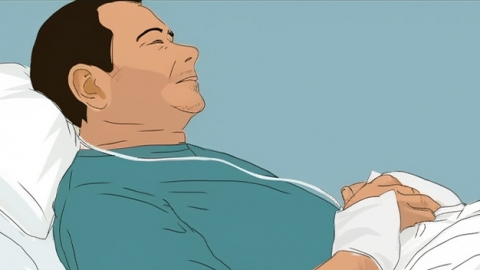
3. Medication: Drugs such as antibiotics, anti-tuberculosis agents, diuretics, and corticosteroids are used according to the underlying cause to control infection, reduce inflammation, and decrease fluid production.
4. Supportive Care: Providing oxygen therapy, nutritional support, and maintaining electrolyte and fluid balance helps strengthen the patient’s overall condition and supports recovery from both the primary disease and the effusion.
5. Surgical Treatment: Indicated for patients with recurrent large-volume effusions or those with pleural thickening and adhesions. Procedures such as pleurectomy may be performed to improve clinical outcomes.
In daily care, patients should remain on bed rest and avoid strenuous activity. Ensure good indoor ventilation, and provide a diet rich in high-protein, high-calorie, easily digestible foods while limiting sodium intake. Closely monitor changes in respiration and heart rate to facilitate recovery.





