


How thick does the endometrium need to be for menstruation to occur?
Jul 03, 2025
Source: Cainiu Health

Dr. Zhang Lu
Introduction
During the proliferative phase of the menstrual cycle, the endometrium gradually thickens under the influence of estrogen. When the thickness reaches more than 8 millimeters, and after ovulation the corpus luteum in the ovary secretes progesterone, the endometrium enters the secretory phase, further thickening to 10 to 12 millimeters. If pregnancy does not occur, the corpus luteum regresses, leading to a decline in hormone levels. The endometrium then loses hormonal support and sheds, resulting in menstrual bleeding.
Generally, menstruation may occur when the endometrial thickness reaches 8 to 12 millimeters, although the exact thickness can vary depending on individual hormone levels and the phase of the menstrual cycle. If concerned, it is advisable to seek medical advice in advance. Detailed analysis is as follows:
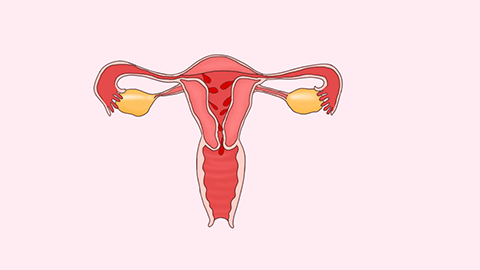
In the proliferative phase of the menstrual cycle, the endometrium gradually thickens under the influence of estrogen. When the thickness reaches more than 8 millimeters, and after ovulation the corpus luteum secretes progesterone, the endometrium enters the secretory phase, further thickening to 10 to 12 millimeters. If pregnancy does not occur, the corpus luteum regresses, causing hormone levels to drop, leading to the shedding of the unsupported endometrium and resulting in menstruation. Some women may have a normal menstrual cycle even if the endometrial thickness is around 8 millimeters, due to individual hormonal differences.
If the endometrial thickness is less than 8 millimeters, it may be due to low estrogen levels or endometrial damage, which leads to poor proliferation and difficulty reaching the thickness required for shedding, potentially causing delayed menstruation or reduced menstrual flow. When the endometrial thickness exceeds 12 millimeters without the onset of menstruation, it may be due to hormonal imbalances, polycystic ovary syndrome (PCOS), or other factors causing continuous endometrial thickening without normal shedding. In such cases, medical evaluation of hormone levels and endometrial condition is recommended.
In daily life, maintaining a healthy lifestyle, improving dietary habits, engaging in appropriate physical exercise, enhancing physical fitness, and reducing the risk of illness are recommended.





