


Is polycystic kidney disease serious?
Jul 07, 2025
Source: Cainiu Health

Dr. Yang Guang
Introduction
In the early stage of polycystic kidney disease, the number of renal cysts is small and their size is minimal, causing little impact on the normal structure and function of the kidneys. Patients usually experience no obvious symptoms or only mild discomfort such as slight soreness or distension in the lower back. The condition is generally stable at this stage, requiring only regular kidney ultrasound and renal function tests to monitor cyst changes, along with maintaining a healthy lifestyle.
Generally speaking, the severity of polycystic kidney disease depends on the progression of the condition. It is not considered severe in the early stages when the cysts are small and kidney function is normal. However, it becomes more severe when the cysts enlarge, leading to kidney function impairment or even uremia. If any abnormalities occur, timely medical attention is recommended. Detailed analysis is as follows:
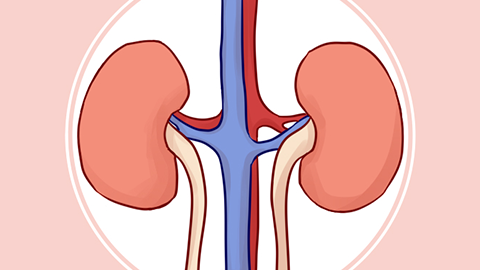
In the early stages of polycystic kidney disease, there are few cysts in the kidneys and they are very small, generally not affecting the kidney's normal structure and function. Patients often have no obvious symptoms or only mild discomfort, such as slight soreness in the lower back. At this stage, the condition is stable and only requires regular kidney ultrasound and kidney function tests to monitor cyst changes, along with maintaining a healthy lifestyle.
As the condition progresses, the number and size of kidney cysts increase, compressing normal kidney tissue, causing kidney enlargement, and potentially leading to symptoms such as back pain, hematuria (blood in urine), and hypertension. When cysts destroy a large number of functional kidney units, kidney function gradually declines, and may ultimately progress to uremia, requiring dialysis or kidney transplantation to sustain life.
In daily life, it is important to maintain a healthy lifestyle, improve dietary habits, engage in appropriate physical exercise, enhance physical fitness, and reduce the risk of disease.



