


Is pneumonia in children serious?
Jul 07, 2025
Source: Cainiu Health

Dr. Zhou Xiaofeng
Introduction
Mild pediatric pneumonia is often caused by common bacterial or viral infections. The child only presents with cough, low-grade fever, and mild tachypnea. Pulmonary imaging reveals localized inflammation without signs of respiratory distress or hypoxia. It is recommended to follow medical advice for administration of medications such as Cefixime tablets, Ambroxol Hydrochloride tablets, and Ribavirin granules.
Generally speaking, the severity of pediatric pneumonia depends on the type of condition and the extent of involvement. Mild pneumonia without complications is not serious, while severe pneumonia involving multiple organs or accompanied by complications can be serious. If any abnormalities occur, timely medical attention is recommended. Detailed analysis is as follows:
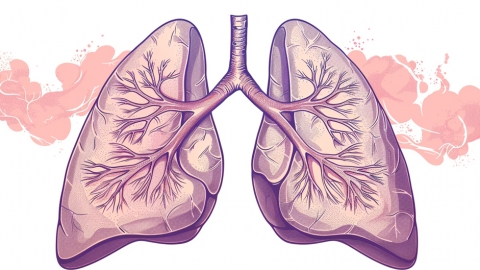
Mild pediatric pneumonia is often caused by common bacterial or viral infections. The child may only exhibit symptoms such as coughing, low-grade fever, and mild shortness of breath. Imaging examinations show localized inflammation in the lungs, without signs of difficulty breathing or oxygen deficiency. It is recommended to follow medical advice and use medications such as Cefixime tablets, Ambroxol Hydrochloride tablets, and Ribavirin granules for treatment.
Severe pediatric pneumonia is commonly caused by pathogens with strong virulence or develops as a result of delayed treatment. In addition to high fever and severe coughing, affected children may experience rapid breathing, cyanosis of the lips, flaring of the nostrils, and even complications such as respiratory failure, heart failure, or toxic encephalopathy. Hospitalization is required for treatment, including intravenous antibiotic administration, oxygen therapy, and mechanical ventilation. Delayed treatment may endanger life, and some children might develop sequelae such as pulmonary fibrosis even after recovery.
After a child develops pneumonia, it is important to closely monitor their mental status, respiratory rate, and body temperature changes, ensure sufficient rest and nutritional intake, and complete the full course of medication as directed by a physician.



