


What is neonatal jaundice?
Jul 08, 2025
Source: Cainiu Health

Dr. Zhou Xiaofeng
Introduction
In general, neonatal jaundice refers to a condition during the neonatal period characterized by elevated bilirubin levels in the blood due to abnormal bilirubin metabolism, resulting in yellowing of the skin, mucous membranes, and sclera. It is recommended to seek timely medical attention and receive symptomatic treatment under a doctor's guidance. For neonatal jaundice, it is important to increase feeding frequency to promote bowel movements and accelerate bilirubin metabolism.
Generally, neonatal jaundice refers to a condition during the newborn period characterized by elevated levels of bilirubin in the blood due to abnormal bilirubin metabolism, resulting in yellowing of the skin, mucous membranes, and sclera. It is recommended to seek timely medical attention and receive symptomatic treatment under a doctor's guidance. A detailed analysis is as follows:
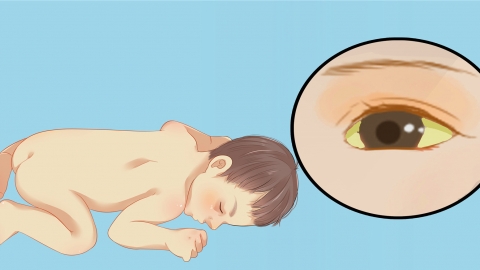
Bilirubin is a substance produced during the breakdown of red blood cells. Under normal circumstances, it is processed by the liver and excreted from the body through bile. However, a newborn's liver function is not yet fully mature, so the ability to process bilirubin is relatively weak. Additionally, newborns have a shorter red blood cell lifespan, which leads to increased bilirubin production. As a result, bilirubin can easily accumulate and cause jaundice. In the early stages of jaundice, the skin on the face turns yellow first. As bilirubin levels rise, the yellowing gradually spreads to the trunk and limbs. In severe cases, the palms and soles may also appear yellow.
For neonatal jaundice, it is important to increase feeding frequency to promote defecation and accelerate bilirubin metabolism. If necessary, phototherapy under medical supervision can also be used. Blue light therapy can convert bilirubin into water-soluble substances that are excreted through urine.




