What is dysfunctional uterine bleeding?
Jul 09, 2025
Source: Cainiu Health

Dr. Zhang Lu
Introduction
In general, dysfunctional uterine bleeding refers to irregular vaginal bleeding caused by dysfunction of the endocrine regulatory system. If discomfort symptoms occur, it is recommended to seek timely medical consultation and treatment at a qualified hospital. After diagnosis, treatment should be carried out according to medical advice, such as regulating hormone levels, stopping bleeding, and correcting anemia. Additionally, maintaining a regular作息 (daily routine) is important in daily life.
Generally, dysfunctional uterine bleeding refers to irregular vaginal bleeding caused by dysfunction of the endocrine regulatory system. If discomfort symptoms occur, it is recommended to seek timely diagnosis and treatment at a regular hospital. Detailed analysis is as follows:
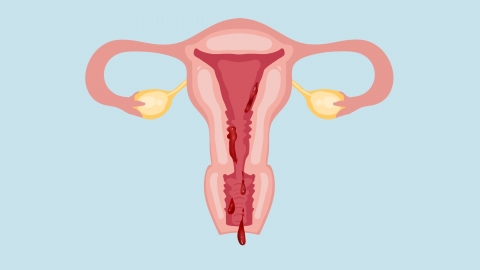
Dysfunctional uterine bleeding refers to abnormal uterine bleeding caused by dysfunction of the hypothalamic-pituitary-ovarian axis, rather than organic lesions of the reproductive organs or systemic diseases. Its main manifestations include irregular menstrual cycles, prolonged menstruation, excessive menstrual bleeding, or irregular vaginal bleeding, commonly seen in women during puberty and perimenopause. In adolescent females, it is often due to immature ovarian function and irregular ovulation; in perimenopausal women, it results from ovarian function decline and hormonal fluctuations. Additionally, factors such as excessive mental stress, emotional fluctuations, and overexertion may also trigger or exacerbate symptoms.
After diagnosis, treatment should follow medical advice, such as regulating hormone levels, controlling bleeding, and correcting anemia. In daily life, maintaining regular作息 (作息 should be translated as "rest and activity patterns"), avoiding excessive fatigue and mental tension, eating a balanced diet, and appropriately supplementing nutrients are recommended. In particular, patients with anemia should increase their intake of iron-rich foods. Regular follow-up visits are necessary during treatment to monitor disease progression and prevent recurrence.