


What is the normal thickness of the endometrium?
Jul 11, 2025
Source: Cainiu Health

Dr. Zhang Lu
Introduction
Under normal circumstances, the endometrial thickness varies within a certain range: 2~4 mm during menstruation, 5~6 mm in early proliferative phase, 7~8 mm in mid proliferative phase, 9~10 mm in late proliferative phase, 7~13 mm in secretory phase, and <5 mm after menopause. If the endometrial thickness is significantly above or below the normal range during the corresponding physiological phase,
Under normal circumstances, the thickness of the endometrium fluctuates within a normal range: 2–4mm during menstruation, 5–6mm in early proliferative phase, 7–8mm in mid-proliferative phase, 9–10mm in late proliferative phase, 7–13mm in secretory phase, and <5mm after menopause. Detailed analysis is as follows:
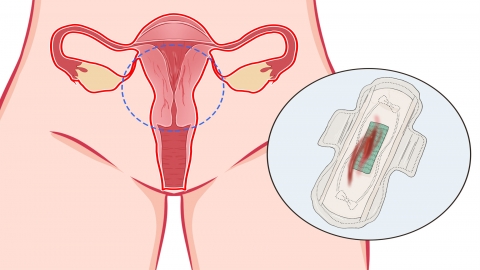
During menstruation, the functional layer of the endometrium sheds, and the thickness typically measures 2–4mm. As the early proliferative phase begins, estrogen levels rise, stimulating gradual thickening of the endometrium to 5–6mm. Under continued estrogen stimulation during the mid-proliferative phase, the endometrium further thickens to 7–8mm. In the late proliferative phase, the endometrium becomes even thicker, reaching 9–10mm. During the secretory phase, under the influence of progesterone, the endometrium prepares for implantation of a fertilized egg and typically measures between 7–13mm. In postmenopausal women, ovarian function declines significantly and estrogen levels drop, resulting in a much thinner endometrium, with a normal thickness less than 5mm.
If the endometrial thickness is significantly above or below the normal range during the corresponding physiological phase—for example, being too thin during the secretory phase or exceeding 5mm after menopause—conditions such as endometrial pathology or hormonal imbalance should be considered, and timely medical evaluation is necessary. Women experiencing menstrual irregularities or abnormal bleeding should undergo regular ultrasound monitoring of endometrial thickness to facilitate early detection and intervention for abnormalities.



