


What is the normal thickness of the endometrium?
Jul 11, 2025
Source: Cainiu Health

Dr. Zhang Lu
Introduction
Under normal circumstances, the range of endometrial thickness varies. In most cases, the thickness is 2~4 mm during menstruation, 5~6 mm in early proliferative phase, 7~8 mm in mid proliferative phase, 9~10 mm in late proliferative phase, 7~13 mm in secretory phase, and <5 mm after menopause. If the endometrial thickness significantly deviates from the corresponding range at a certain stage,
Generally, the normal range of endometrial thickness varies. In most cases, it is 2-4 mm during menstruation, 5-6 mm in early proliferative phase, 7-8 mm in mid-proliferative phase, 9-10 mm in late proliferative phase, 7-13 mm in secretory phase, and less than 5 mm after menopause. Detailed analysis is as follows:
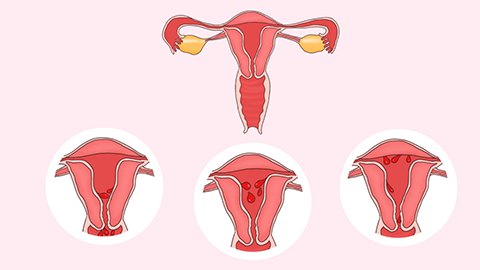
The normal range of endometrial thickness dynamically changes with physiological stages. During menstruation, the endometrium sheds, and the thickness is usually 2-4 mm. In the early proliferative phase, estrogen secreted by the ovaries gradually increases, stimulating endometrial proliferation to a thickness of 5-6 mm. Under continuous estrogen influence, the endometrium thickens further to 7-8 mm in the mid-proliferative phase. In the late proliferative phase, the endometrium becomes even thicker, reaching 9-10 mm. During the secretory phase, under the influence of progesterone, the endometrium becomes soft and rich in blood supply, with a broader thickness range of 7-13 mm. In postmenopausal women, ovarian function declines and estrogen levels decrease, causing the endometrium to become thinner, with a normal thickness of less than 5 mm.
If the endometrial thickness significantly deviates from the expected range in any phase—for example, being excessively thick during menstruation or exceeding 5 mm after menopause—conditions such as endometrial hyperplasia, polyps, or other abnormalities should be suspected, and timely medical consultation with further investigations is recommended. Regular gynecological ultrasound examinations, especially for women experiencing menstrual irregularities or abnormal vaginal bleeding, can help detect and address potential issues at an early stage.








