


What are the symptoms of endometriosis?
Jul 15, 2025
Source: Cainiu Health

Dr. Zhang Lu
Introduction
In general, endometriosis is a common gynecological condition. Its main symptoms include dysmenorrhea (painful menstruation), menstrual irregularities, pelvic pain, painful intercourse, and infertility. Patients are advised to maintain healthy lifestyle habits in daily life, avoid excessive fatigue and mental stress, and undergo regular gynecological examinations to facilitate early detection and management of endometriosis.
Generally, endometriosis is a common gynecological condition, with primary symptoms including dysmenorrhea, menstrual irregularities, pelvic pain, pain during sexual intercourse, and infertility. A detailed analysis is as follows:
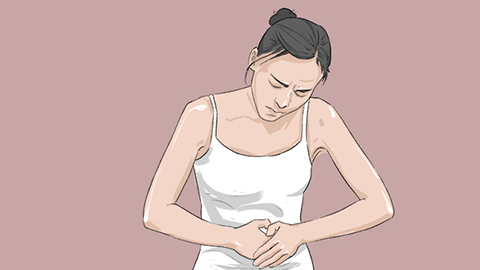
1. Dysmenorrhea: Patients with endometriosis often experience menstrual pain, and the severity of pain may increase as the condition worsens. This type of dysmenorrhea is typically secondary, meaning it begins some time after menarche and often progressively worsens. The pain usually occurs in the lower abdomen or lower back and may start several days before menstruation, continuing until the menstrual period ends.
2. Menstrual irregularities: Patients may experience shortened menstrual cycles, increased menstrual flow, or prolonged menstrual periods. This is because the displaced endometrial tissue also bleeds in response to the menstrual cycle, causing changes in menstrual flow and cycle length.
3. Pelvic pain: In addition to dysmenorrhea, some patients may feel pelvic pain or discomfort even outside of their menstrual periods. This pain may manifest as persistent dull aches or intermittent sharp pains, often worsening during ovulation or after sexual activity. It results from inflammatory reactions or adhesions caused by displaced endometrial tissue.
4. Pain during sexual intercourse: During sexual activity, some patients may experience pain. This pain typically occurs during deep penetration and is caused by endometrial tissue affecting areas such as the rectouterine pouch or the uterosacral ligaments, which become irritated during intercourse.
5. Infertility: Endometriosis is a significant cause of female infertility. Displaced endometrial tissue may impair ovarian function, interfere with normal fallopian tube motility, or cause pelvic adhesions, thus affecting the transport and implantation of fertilized eggs. Additionally, immune factors may also play a role, reducing the likelihood of conception.
Patients are advised to maintain healthy lifestyle habits in daily life, avoiding excessive fatigue and mental stress. Regular gynecological examinations should also be conducted to detect and manage endometriosis promptly. For patients who have already developed symptoms, appropriate treatment such as medication or surgical intervention should be followed as directed by a physician. Attention to rest and dietary regulation is also important to promote recovery.


