


How is endometriosis caused?
Aug 22, 2025
Source: Cainiu Health

Dr. Zhang Lu
Introduction
In general, endometriosis may be caused by retrograde menstruation, abnormal hormone levels during the reproductive years, chronic endometrial inflammation, immune dysfunction, pelvic adhesions, or other factors. It is recommended to seek timely medical attention, identify the underlying cause, and then improve the condition through general treatment, medication, surgical treatment, and other approaches under a doctor's guidance.
Generally, endometriosis may be caused by retrograde menstruation, abnormal hormone levels during the reproductive years, chronic endometrial inflammation, immune dysfunction, pelvic adhesions, and other factors. It is recommended to seek timely medical consultation to determine the exact cause and, under a doctor's guidance, improve the condition through general treatment, medication, surgery, and other approaches. A detailed analysis is as follows:
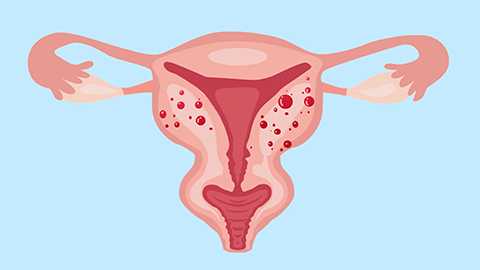
1. Retrograde Menstruation: During menstruation, endometrial fragments may flow backward through the fallopian tubes into the pelvic cavity, implanting on areas such as the ovaries and pelvic peritoneum, gradually forming ectopic lesions. Avoid strenuous exercise, prolonged sitting or standing during menstruation to reduce the likelihood of retrograde menstruation.
2. Abnormal Hormone Levels During the Reproductive Years: Estrogen is secreted abundantly in women of reproductive age. If ectopic endometrial tissue is continuously stimulated by estrogen, it may proliferate constantly, worsening the condition. Maintain a regular sleep-wake cycle, avoid staying up late, and minimize emotional fluctuations.
3. Chronic Endometrial Inflammation: Long-term inflammation weakens the resilience of endometrial tissue, making it prone to retrograde flow with menstrual blood and implantation in the pelvic cavity, forming ectopic lesions. This is often accompanied by dysmenorrhea and increased vaginal discharge. Follow medical advice to use medications such as Cefuroxime Axetil Tablets, Metronidazole Tablets, and Levofloxacin Hydrochloride Capsules to control inflammation.
4. Immune Dysfunction: When immune function declines, the body cannot promptly eliminate ectopic endometrial tissue in the pelvic cavity, leading to persistent and progressive lesions. If necessary, immune-modulating medications such as Transfer Factor Oral Solution, Thymopentin Enteric-coated Tablets, and Pidotimod Oral Liquid may be used under a doctor's guidance.
5. Pelvic Adhesions: Adhesions between pelvic organs can cause abnormal fallopian tube motility, hindering menstrual blood drainage and increasing the risk of retrograde menstruation, which may trigger endometriosis. This can also be accompanied by lower abdominal pain and infertility. Mild symptoms may be relieved through pelvic physical therapy; for severe adhesions, laparoscopic pelvic adhesion lysis may be required to restore normal pelvic anatomy and reduce retrograde menstruation.
In daily life, it is important to keep the body warm during menstruation and avoid consuming cold foods. Regular gynecological check-ups are recommended for early detection and intervention to maintain pelvic health.


