


How are uterine cysts formed?
Jul 16, 2025
Source: Cainiu Health

Dr. Zhang Lu
Introduction
Under normal circumstances, uterine cysts may be caused by factors such as unruptured physiological follicles, congenital developmental abnormalities, endocrine disorders, chronic inflammatory stimulation, or endometriosis. If the above conditions occur, it is recommended to seek medical treatment promptly. In daily life, one should maintain a regular作息 (作息 translates to作息 schedule or routine), avoid excessive fatigue, follow a balanced diet, reduce intake of spicy and irritating foods, and maintain good personal hygiene.
Generally, uterine cysts may be caused by unruptured physiological follicles, congenital developmental abnormalities, endocrine disorders, chronic inflammatory stimulation, endometriosis, and other factors. If the above conditions occur, timely medical treatment is recommended. Detailed analysis is as follows:
1. Unruptured Physiological Follicles
During the normal menstrual cycle, the ovaries periodically produce follicles. Some follicles may fail to rupture normally and release an egg due to various reasons, leading to fluid retention and cyst formation. These cysts typically disappear naturally with the menstrual cycle and generally do not cause significant effects on the body. If there are no discomforts in daily life, no special treatment is required, and regular observation is sufficient.
2. Congenital Developmental Abnormalities
In rare cases, uterine cysts may result from congenital abnormalities of glandular duct development, such as structural abnormalities or narrow openings of the ducts, which hinder the discharge of secretions and gradually lead to cyst formation. These cysts may persist for a long time, and if they gradually enlarge, they may compress surrounding tissues. Patients need regular examinations and, if necessary, treatment such as surgery.
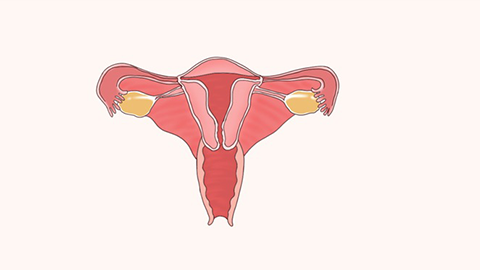
3. Endocrine Disorders
Imbalances in hormone levels within the body, especially abnormally elevated estrogen levels, may stimulate uterine tissues, causing hyperplasia of glandular epithelium, narrowing or blockage of ducts, and subsequent cyst formation. This may be accompanied by symptoms such as menstrual cycle irregularities and abnormal menstrual flow. Lifestyle adjustments can be made under a physician's guidance.
4. Chronic Inflammatory Stimulation
Long-term gynecological inflammation, such as cervicitis or pelvic inflammatory disease, may lead to repeated damage and repair of local uterine tissues, causing duct blockage and preventing normal discharge of secretions, which may gradually accumulate and form cysts. Symptoms may include increased vaginal discharge and lower abdominal pressure. Personal hygiene should be maintained in daily life, keeping the external genital area clean to reduce recurrence of inflammation.
5. Endometriosis
When endometrial tissue appears outside the uterus, it may form ectopic cysts in the affected areas. These displaced endometrial tissues may bleed with the menstrual cycle, and the blood cannot be discharged, accumulating to form cysts. Symptoms may include dysmenorrhea (painful menstruation) and pain during sexual intercourse. Treatment should follow medical advice using medications such as dydrogesterone tablets, medroxyprogesterone acetate tablets, and triptolide capsules.
Maintain regular作息 (作息 should be translated as作息 habits or daily routines), avoid excessive fatigue; eat a balanced diet and reduce the intake of spicy and irritating foods; maintain personal hygiene and avoid unclean sexual practices; and undergo regular gynecological examinations to promptly detect and manage any abnormalities.


