


What causes uterine cysts?
Jul 19, 2025
Source: Cainiu Health

Dr. Zhang Lu
Introduction
Under normal circumstances, uterine cysts may be caused by physiological cervical gland cysts, hormonal fluctuations, chronic cervicitis irritation, abnormal cervical injury repair, intrauterine foreign body irritation, and other factors. It is recommended to seek timely medical attention, identify the underlying cause, and undergo symptomatic treatment under a doctor's guidance. In daily life, it is important to maintain external genital hygiene and wash with warm water daily.
Under normal circumstances, uterine cysts may be caused by physiological cervical gland cysts, hormonal fluctuations, chronic cervicitis irritation, abnormal cervical injury repair, or intrauterine foreign body irritation. It is recommended to seek timely medical attention, identify the underlying cause, and undergo symptomatic treatment under a physician's guidance. Detailed explanations are as follows:
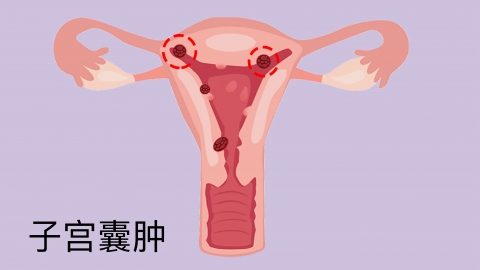
1. Physiological cervical gland cysts: When squamous epithelium replaces columnar epithelium in the cervical transformation zone, the glandular openings may become blocked, causing secretion retention and cyst formation. These cysts usually cause no obvious symptoms and are considered a normal physiological phenomenon. No special treatment is required, only regular gynecological examinations.
2. Hormonal fluctuations: Estrogen level changes in women of childbearing age may stimulate increased cervical gland secretion, leading to cyst formation. Symptoms may resolve spontaneously once hormone levels stabilize. Maintaining a regular lifestyle and avoiding late nights are recommended.
3. Chronic cervicitis irritation: Long-term inflammation can cause narrowing or blockage of gland openings, preventing secretion drainage and resulting in cyst formation, often accompanied by symptoms such as increased vaginal discharge and odor. Patients may follow medical advice to use medications such as cefixime dispersible tablets, metronidazole suppositories, or doxycycline hydrochloride capsules to control inflammation.
4. Abnormal cervical injury repair: Cervical injuries caused by childbirth or miscarriage may lead to scar tissue formation during the healing process, blocking gland openings and causing cysts, which may be accompanied by mild abdominal pain. Small cysts can be monitored regularly, while larger ones may require cervical gland cyst fenestration to drain the fluid and eliminate the cyst.
5. Intrauterine foreign body irritation: Long-term stimulation from an intrauterine device (IUD) may induce cyst formation, often accompanied by lower abdominal heaviness. Patients may follow medical advice to remove the IUD and choose alternative contraceptive methods. When necessary, medications such as Fuyankang tablets, Jingangteng capsules, or Baofukang suppositories may be used to relieve discomfort.
In daily life, maintaining external genital hygiene by washing daily with warm water and avoiding irritating cleansers is important. Practicing good hygiene before and after sexual intercourse can reduce the risk of cervical infection. Regular gynecological examinations are recommended to detect and manage cervical abnormalities promptly, thus maintaining reproductive health.


