


What causes uterine cysts?
Jul 18, 2025
Source: Cainiu Health

Dr. Zhang Lu
Introduction
In general, uterine cysts are caused by factors such as blockage of cervical glands, hormonal changes, chronic cervicitis, cervical injury, and endometriosis. It is recommended to seek timely medical attention, identify the underlying cause, and undergo symptomatic treatment under a doctor's guidance. Daily attention should be paid to menstrual hygiene, frequent changing of sanitary pads, and avoiding sexual intercourse during menstruation to prevent cervical infection.
Generally, uterine cysts are caused by factors such as cervical gland duct blockage, hormonal changes, chronic cervicitis, cervical injury, and endometriosis. It is recommended to seek timely medical consultation to identify the underlying cause and receive appropriate treatment under a doctor's guidance. Detailed explanations are as follows:
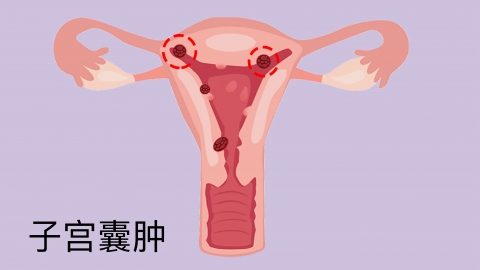
1. Cervical Gland Duct Blockage: The cervical gland duct openings may become blocked by secretions or squamous epithelium, preventing the discharge of secretions and resulting in cyst formation. These cysts are mostly benign and appear as single or multiple small cystic vesicles on the cervical surface, typically without obvious symptoms and with slow growth. No special treatment is required; maintaining external genital hygiene, avoiding frequent vaginal douching to prevent further duct blockage, and undergoing regular gynecological examinations to monitor cyst size are recommended. Intervention is unnecessary if the cysts do not interfere with daily life.
2. Hormonal Changes: In women of reproductive age, high estrogen levels may stimulate cervical glandular epithelial hyperplasia, leading to duct narrowing or blockage and subsequent cyst formation. After menopause, declining estrogen levels may cause the cysts to gradually shrink. These cysts are often related to hormonal fluctuations during the menstrual cycle. Maintaining a regular sleep schedule, avoiding late nights that may disrupt hormone secretion, reducing dietary intake of high-fat and high-sugar foods, and maintaining stable hormone levels can help minimize excessive glandular hyperplasia triggers.
3. Chronic Cervicitis: Long-term cervical infections caused by bacteria, chlamydia, and other pathogens may lead to chronic inflammation. Inflammatory stimulation can cause periglandular tissue proliferation, compressing and blocking the ducts, resulting in cyst formation. Symptoms may include cervical congestion and increased secretions, with recurrent inflammation potentially leading to an increased number of cysts. Avoiding unhygienic sexual practices and reducing cervical irritation are recommended. Follow medical advice to use medications such as Azithromycin Capsules, Doxycycline Hydrochloride Tablets, and Fuke Qianjin Tablets to treat inflammation. Cysts typically stop growing once the infection is controlled.
4. Cervical Injury: Childbirth, miscarriage, or cervical surgery may cause cervical injury, and during the healing process, scar tissue may block the gland ducts, forming cysts. These cysts may be accompanied by hardened cervical texture, and the likelihood of cyst formation increases with the severity of injury. Postoperative cervical care and avoiding early sexual activity to prevent infection are important. During the healing period, follow medical advice to use medications such as Baofukang Suppository, Recombinant Human Interferon α2b Suppository, and Kangfuxin Liquid to promote tissue repair and reduce excessive scar formation.
5. Endometriosis: Ectopic endometrial tissue located in the cervix may cause periodic bleeding, which stimulates surrounding tissues, leading to gland duct blockage and cyst formation. These cysts may be accompanied by dysmenorrhea and pain during sexual intercourse, with cyst size potentially fluctuating with the menstrual cycle. Avoid strenuous exercise and excessive fatigue during menstruation. Applying heat to the lower abdomen may help relieve pain. Follow medical advice to use medications such as Gestrinone Capsules, Norethisterone Tablets, and Dydrogesterone Tablets to inhibit the growth of ectopic endometrial tissue.
In daily life, maintaining menstrual hygiene, changing sanitary pads frequently, and avoiding sexual activity during menstruation to prevent cervical infection are important. Choose cotton, breathable underwear to keep the external genital area dry and reduce bacterial growth. Regular cervical screening and monitoring of cyst changes are recommended. There is no need to be overly anxious about asymptomatic cysts, as maintaining a positive mindset contributes to physical recovery.


