


What causes uterine bleeding?
Jul 17, 2025
Source: Cainiu Health

Dr. Zhang Lu
Introduction
In general, uterine bleeding may be caused by endocrine disorders, ovulation period bleeding, endometrial polyps, uterine fibroids, endometrial cancer, and other reasons. If you experience any discomfort, it is recommended to seek medical attention promptly. In daily life, it is important to maintain good personal hygiene, keep the vulva clean and dry; avoid excessive fatigue, and engage in appropriate physical activities such as walking and yoga to enhance physical health.
Generally, uterine bleeding may be caused by endocrine disorders, ovulation period bleeding, endometrial polyps, uterine fibroids, endometrial cancer, and other factors. If experiencing discomfort, timely medical consultation is recommended. Detailed explanations are as follows:
1. Endocrine Disorders
Long-term mental stress and irregular lifestyle habits can affect hormone secretion in the body, leading to an imbalance between estrogen and progesterone. This causes irregular shedding of the endometrium and results in uterine bleeding. In daily life, maintaining a regular routine, avoiding staying up late, and ensuring sufficient sleep each day are important. Learning to regulate emotions through listening to music, traveling, or other methods to relieve stress, as well as maintaining a balanced diet with more fresh fruits and vegetables while reducing intake of spicy and irritating foods, are also recommended.
2. Ovulation Period Bleeding
During ovulation, a temporary drop in estrogen levels may cause slight shedding of the endometrium due to lack of hormonal support, resulting in uterine bleeding. This type of bleeding is usually light and short-lived. No specific treatment is required, but maintaining external genital hygiene, avoiding strenuous exercise, and frequently changing sanitary products are advised. If the bleeding lasts longer or is accompanied by significant discomfort, prompt medical consultation and examination are recommended.
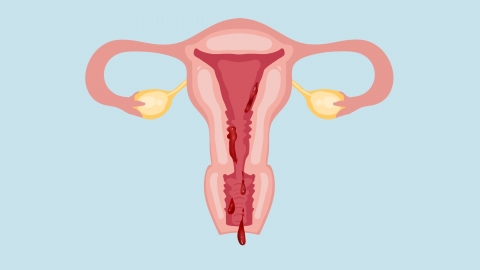
Endometrial polyps can interfere with the normal repair and contraction of the endometrium, leading to abnormal uterine bleeding, which may be accompanied by prolonged menstruation and increased menstrual flow. Medications such as progesterone soft capsules, dydrogesterone tablets, and medroxyprogesterone acetate tablets may be used under a doctor's guidance. If the polyps are large or symptoms are significant, surgical removal under medical advice is recommended, along with regular follow-up examinations.
4. Uterine Fibroids
Uterine fibroids alter the uterine environment, affect uterine contractions, and increase the surface area of the endometrium, leading to uterine bleeding. Symptoms may include heavy menstrual bleeding and prolonged menstruation. Medications such as mifepristone tablets, danazol capsules, and triptolide capsules may be used to alleviate symptoms under a doctor's guidance. If the fibroids are large or symptoms are severe, surgical treatment should be considered, along with regular gynecological ultrasound examinations to monitor fibroid changes.
5. Endometrial Cancer
Endometrial cancer damages endometrial tissue, causing irregular uterine bleeding. Postmenopausal women experiencing uterine bleeding should be highly alert, as this may be accompanied by vaginal discharge and abdominal pain. Standardized treatment under medical guidance is necessary. Depending on the condition, medications such as megestrol acetate dispersible tablets, hydroxyprogesterone caproate injection, and combined medroxyprogesterone acetate capsules may be used. Comprehensive treatment approaches including surgery, radiotherapy, and chemotherapy should also be considered, along with regular follow-up examinations to monitor disease progression.
In daily life, attention should be paid to personal hygiene, keeping the external genital area clean and dry; avoiding excessive fatigue and engaging in appropriate exercises such as walking or yoga to enhance physical fitness.







