


What are the causes of infantile hemangioma?
Jul 17, 2025
Source: Cainiu Health

Dr. Zhou Xiaofeng
Introduction
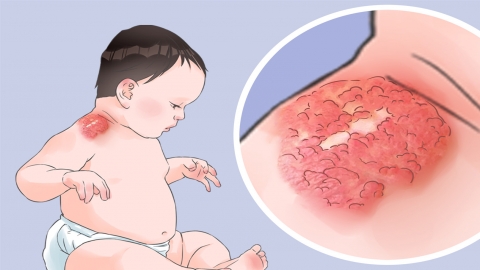
Under normal circumstances, infantile hemangiomas may be caused by abnormal vascular development during the embryonic period, premature birth or low birth weight, maternal hormonal influences during pregnancy, abnormal proliferation of local vascular endothelial cells, or abnormal angiogenic factors. If any discomfort occurs, prompt medical attention is recommended. In daily life, parents should take care to protect the area of the newborn's hemangioma to avoid trauma and infection.
Generally, neonatal hemangiomas may be caused by abnormal vascular development during the embryonic period, premature birth or low birth weight, maternal hormonal influences during pregnancy, abnormal proliferation of local vascular endothelial cells, or abnormal vascular formation factors. If any discomfort occurs, timely medical consultation is recommended. Detailed explanations are as follows:
1. Abnormal Vascular Development During the Embryonic Period
During embryonic development, transient abnormalities in the regulatory mechanisms of vascular formation may lead to abnormal proliferation of local vascular endothelial cells, resulting in hemangiomas. This is a common physiological developmental factor, and most hemangiomas gradually regress as the newborn grows. Parents should monitor the size and color changes of the hemangioma, avoid friction or trauma to the affected area, and maintain local skin cleanliness and dryness. Regular hospital visits for check-ups to monitor the hemangioma's progression are also recommended.
2. Premature Birth or Low Birth Weight
In preterm or low birth weight infants, vascular development is relatively immature, making vascular endothelial cell proliferation and differentiation prone to abnormalities, thereby increasing the risk of hemangioma formation. Parents should provide meticulous care, ensure proper warmth to prevent colds or illness, and feed appropriately to ensure adequate nutrition for optimal physical and vascular development. Regular health check-ups according to medical advice are necessary to monitor changes in the hemangioma.
3. Maternal Hormonal Influences During Pregnancy
Significant fluctuations in maternal estrogen and other hormone levels during pregnancy may affect fetal vascular development through placental transfer, stimulating vascular endothelial cell proliferation and triggering hemangiomas. Expectant mothers should maintain healthy lifestyle habits during pregnancy and avoid self-administering hormone-containing medications or supplements. After birth, parents should closely monitor the hemangioma. If rapid growth is observed, prompt medical notification is advised.
4. Abnormal Proliferation of Local Vascular Endothelial Cells
Local vascular endothelial cells may undergo excessive proliferation due to certain stimuli, leading to abnormal vascular structures and hemangioma formation, typically presenting as red patches or raised areas on the skin. If the hemangioma is small and shows no significant growth, observation alone may suffice. If treatment is required, topical medications such as timolol maleate eye drops, pimecrolimus cream, or recombinant human interferon α2b cream may be used under medical guidance to inhibit vascular endothelial cell proliferation. Strict adherence to medical instructions is essential, along with monitoring for skin reactions.
5. Abnormal Vascular Formation Factors
Disruption of the balance between angiogenic factors and inhibitory factors leads to excessive vascular formation, causing hemangiomas, which may be accompanied by rapid growth. Medical evaluation is necessary, and pharmacological treatment may be required, including oral propranolol tablets (dosage strictly adjusted according to weight), local injection of lauromacrogol solution, or sodium morrhuate injection. Regular follow-up during treatment to monitor hemangioma size and the newborn's general condition is essential. Any abnormal reactions should be promptly reported to the physician.
In daily life, parents should protect the newborn's hemangioma area from trauma or infection. Dress the infant in soft, loose clothing to minimize friction on the hemangioma site.





