


What are the causes of Gram-positive bacterial infections in newborns?
Jul 19, 2025
Source: Cainiu Health

Dr. Zhou Xiaofeng
Introduction
Under normal circumstances, neonatal Gram-positive bacterial infections may be caused by factors such as poor skin and mucosal barrier function, incomplete immune system development, exposure to infectious sources during delivery, umbilical infections, or contaminated medical equipment. If any abnormalities are noticed, timely medical attention is recommended. In daily life, maintain a clean living environment for the newborn and perform regular disinfection. Closely monitor the newborn's mental status.
Normally, neonatal Gram-positive bacterial infections may be caused by factors such as poor skin and mucosal barrier function, underdeveloped immune system, contact with infectious sources during delivery, umbilical infection, and contaminated medical instruments. If any abnormalities occur, timely medical consultation is recommended. Detailed explanations are as follows:
1. Poor Skin and Mucosal Barrier Function
Neonatal skin is delicate and mucous membranes are fragile, with a thin keratin layer and easily damaged mucous membranes, allowing Gram-positive bacteria to invade through damaged areas and cause infections. Gentle handling during routine care can help avoid skin abrasions. Promptly clean the buttocks after each bowel movement and keep the skin dry to reduce the risk of skin damage.
2. Underdeveloped Immune System
Neonatal immune organs are not fully developed and immune cell functions are weak, making it difficult to effectively resist Gram-positive bacterial invasion and increasing the risk of infection. Continuing breastfeeding is recommended, as antibodies in breast milk can enhance neonatal immunity. Limit unnecessary contact with the infant and ensure proper hand hygiene before touching the baby.
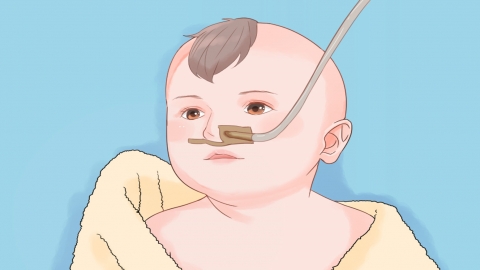
3. Contact with Infectious Sources During Delivery
If the mother's birth canal contains Gram-positive bacteria, the neonate may come into contact with the infectious source during vaginal delivery, leading to infection, which may be accompanied by skin rashes. Mothers should follow medical advice to use medications such as penicillin V potassium tablets, cefradine capsules, and amoxicillin-clavulanate potassium dry suspension to reduce genital tract pathogens.
4. Umbilical Infection
The neonatal umbilicus may not be fully healed; improper cleaning and disinfection can allow Gram-positive bacteria to proliferate at the umbilicus and cause infection, often accompanied by redness, swelling, and discharge. Disinfect the umbilicus twice daily with povidone-iodine swabs and keep the umbilical area dry. If abnormalities occur, apply mupirocin ointment, fusidic acid cream, or erythromycin ointment to the affected area under medical guidance.
5. Contaminated Medical Equipment
Medical instruments such as suction tubes and incubators contaminated with Gram-positive bacteria may cause neonatal infections, which can lead to sepsis in severe cases. Medical equipment must be thoroughly disinfected, and healthcare personnel should follow aseptic procedures before performing operations. If infection occurs, treatment with medications such as sodium oxacillin for injection, sodium cefazolin for injection, or vancomycin for injection should be administered under medical supervision.
In daily life, maintain a clean living environment for the neonate and perform regular disinfection. Closely monitor the neonate's mental status, body temperature, and skin condition, and seek medical attention promptly if any abnormalities are detected.


