


What are the causes of pathological muscle twitching?
Jul 19, 2025
Source: Cainiu Health

Dr. Wang Lei
Introduction
In general, pathological muscle twitching may be caused by neurodegenerative changes, metabolic abnormalities, peripheral neuropathy, spinal cord lesions, motor neuron disease, and other similar conditions. If symptoms persist, timely medical consultation is recommended. In daily life, closely monitor the frequency of muscle twitching and any accompanying symptoms, keeping detailed records; and undergo regular physical examinations.
Generally, pathological muscle twitching may be caused by reasons such as neurodegenerative changes, metabolic abnormalities, peripheral neuropathy, spinal cord lesions, or motor neuron disease. If symptoms persist, timely medical consultation is recommended. Detailed analysis is as follows:
1. Neurodegenerative Changes
With aging, nerve cells gradually degenerate and nerve conduction function weakens, which may trigger pathological muscle twitching and may be accompanied by decreased muscle control. It is important to maintain moderate mental and physical activities, such as reading and walking, to delay nerve degeneration. Additionally, consuming foods rich in protein and vitamins provides essential nutrition for the nerves.
2. Metabolic Abnormalities
Abnormal body metabolism, such as disturbances in glucose or lipid metabolism, can affect normal nerve function, leading to muscle twitching, which may be accompanied by fatigue and dizziness. Adjusting the diet to reduce intake of high-sugar and high-fat foods, maintaining regular sleep patterns to avoid staying up late, and maintaining normal metabolic rhythms are recommended. When necessary, metabolic indicators should be adjusted under a doctor's guidance.
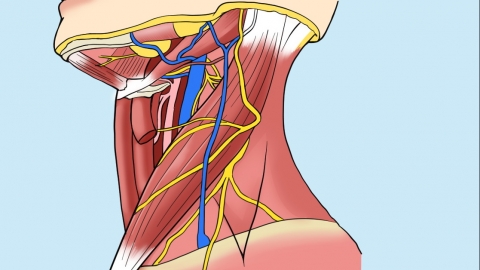
3. Peripheral Neuropathy
Infections, toxins, and other factors can cause peripheral neuropathy. When nerve fibers are damaged, nerve conduction becomes abnormal, resulting in muscle twitching, often accompanied by numbness and pain. Patients should use medications such as mecobalamin tablets, vitamin B12 injections, and gabapentin capsules under a doctor's guidance to nourish the nerves and alleviate symptoms. At the same time, patients should avoid toxic substances and actively treat infections.
4. Spinal Cord Lesions
Inflammation or compression of the spinal cord can interfere with nerve signal transmission, causing the innervated muscles to twitch, possibly accompanied by restricted limb movement. Patients should use medications such as dexamethasone injection, mannitol injection, and mecobalamin capsules under a doctor's guidance to reduce inflammation, relieve compression, and support nerve health. When necessary, rehabilitation therapy should be incorporated to improve limb function.
5. Motor Neuron Disease
When motor neurons are damaged, their control over muscles becomes dysfunctional, triggering pathological muscle twitching. As the condition progresses, muscle atrophy and weakness may occur. Patients should use medications such as riluzole tablets, edaravone injection, and coenzyme Q10 capsules under a doctor's guidance to slow disease progression. Simultaneously, muscle function training should be conducted to maintain muscle vitality.
In daily life, it is important to closely monitor the frequency of muscle twitching and any accompanying symptoms, keeping detailed records. Regular physical examinations are especially important for individuals with a family history of related diseases. Maintaining a positive mindset and actively cooperating with treatment are also essential.





