


What are the main causes of candidiasis?
Jul 19, 2025
Source: Cainiu Health

Dr. Liu Feng
Introduction
Under normal circumstances, candidiasis infections may be caused by factors such as hormonal changes, decreased immunity, improper hygiene practices, long-term antibiotic use, and poorly controlled diabetes. It is recommended to seek timely medical attention, identify the underlying cause, and undergo symptomatic treatment under a doctor's guidance. In daily life, avoid sharing personal items such as towels and bathtubs to reduce the risk of cross-infection.
Generally, Candida infections may be caused by factors such as hormonal changes, decreased immunity, improper hygiene habits, long-term antibiotic use, and poorly controlled diabetes. It is recommended to seek timely medical consultation, identify the underlying cause, and undergo symptomatic treatment under a doctor's guidance. Detailed explanations are as follows:
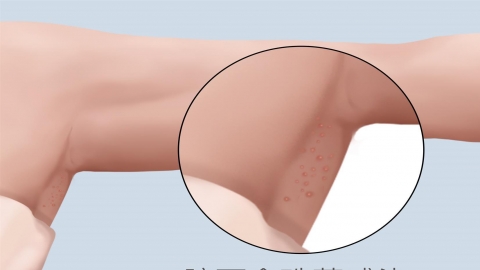
1. Hormonal changes: During pregnancy or while taking birth control pills, elevated estrogen levels in the body can promote excessive growth of Candida, leading to infection, which may be accompanied by increased discharge. Maintaining local cleanliness, wearing breathable cotton clothing, and frequent underwear changes may help relieve mild symptoms, while more severe cases should be treated following medical advice.
2. Decreased immunity: Excessive fatigue, staying up late, or suffering from chronic diseases can weaken immunity, allowing Candida to invade and cause infection, often accompanied by local itching and a burning sensation. Maintaining regular sleep patterns, avoiding fatigue, consuming more vitamin-rich foods, and engaging in appropriate physical exercise can help boost immunity.
3. Improper hygiene habits: Over-cleaning or using irritating cleansers can disrupt the natural balance of skin and mucosal flora, allowing Candida to proliferate, potentially leading to conditions such as vulvovaginal candidiasis. It is recommended to clean the affected area with warm water and avoid indiscriminate use of cleansers. Patients may use medications such as clotrimazole vaginal tablets, miconazole nitrate suppositories, or nystatin vaginal suppositories as directed by a physician.
4. Long-term antibiotic use: Prolonged antibiotic use can eliminate beneficial bacterial flora, allowing Candida to overgrow and cause infection, which may present with symptoms such as oral mucosal white patches and diarrhea. Antibiotics should be used properly under medical supervision, and infections should be treated with medications such as fluconazole capsules, itraconazole capsules, or terbinafine hydrochloride tablets as directed by a doctor.
5. Poorly controlled diabetes: High blood sugar levels provide an environment conducive to Candida growth, resulting in recurrent infections, often accompanied by skin itching and delayed wound healing. Blood sugar levels should be strictly controlled, and regular monitoring is necessary. For skin infections, symptoms may be relieved with topical medications such as ketoconazole cream, clotrimazole cream, or bifonazole cream, used under medical guidance.
In daily life, avoid sharing personal items such as towels and bathtubs to reduce the risk of cross-infection. Wear loose and breathable clothing, and avoid prolonged exposure to damp environments. Maintain a balanced diet, quit smoking, limit alcohol consumption, support normal body metabolism, and reduce the risk of infection.






