


Can patients with candidiasis eat lychee?
Jun 17, 2025
Source: Cainiu Health

Dr. Zhang Lu
Introduction
If patients with candidiasis have blood glucose levels within the normal range and no history of lychee allergy, moderate consumption of lychee can help supplement nutrition. Lychee is rich in vitamin C and glucose; consuming 5–8 lychees per serving can help enhance the body's resistance. Vitamin C can also promote the activity of immune cells, assisting the body in fighting bacterial infections. Appropriate consumption of lychee will not negatively affect the treatment and recovery from candidiasis.
Candidiasis patients may consume lychee depending on individual conditions. If blood glucose levels are normal and no allergy exists, moderate consumption is acceptable. However, if blood sugar is elevated or the individual is allergic to lychee, it should be avoided. If any abnormalities occur, prompt medical attention is advised. Detailed explanations are as follows:
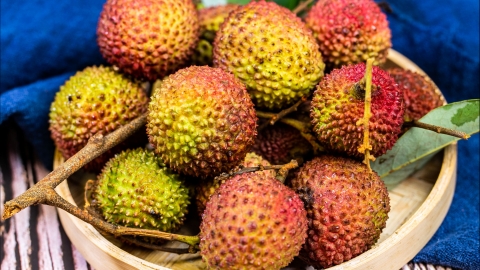
If a candidiasis patient has normal blood glucose levels and no history of lychee allergy, moderate lychee consumption can help replenish nutrients. Lychee is rich in vitamin C and glucose. Consuming 5–8 lychees per serving can help enhance immune resistance, and vitamin C may also promote immune cell activity, assisting the body in fighting infections. Additionally, moderate lychee consumption will not negatively affect the treatment or recovery from candidiasis.
If a candidiasis patient has abnormal blood glucose levels, such as diabetes or impaired glucose tolerance, consuming lychee may cause a rapid rise in blood sugar. A high-glucose environment favors Candida growth and may worsen infection symptoms. Moreover, if the patient is allergic to lychee, allergic reactions such as rashes and itching after consumption may interfere with normal treatment and possibly lead to secondary infections due to skin damage from scratching. In such cases, lychee consumption is strictly prohibited.
After consuming lychee, candidiasis patients should closely monitor their physical reactions. If abnormal blood glucose fluctuations, allergic symptoms, or worsening of the existing condition occur, consumption should be stopped immediately and medical advice sought. A low-sugar, balanced diet should be followed in daily life to support recovery.




