


What causes nosebleeds?
Jul 19, 2025
Source: Cainiu Health

Dr. Lu Cheng
Introduction
In general, nosebleeds may be caused by factors such as fragile nasal mucosa, dry or irritating environmental conditions, acute rhinitis, vestibular rhinitis, or deviated nasal septum. It is recommended to seek medical attention promptly, identify the underlying cause, and undergo symptomatic treatment under a doctor's guidance. Maintain nasal hygiene in daily life and avoid picking the nose with hands. In terms of diet, consume more foods rich in vitamins.
Generally, nosebleeds may be caused by factors such as fragile nasal mucosa, environmental dryness and irritation, acute rhinitis, vestibulitis, or deviated nasal septum. It is recommended to seek timely medical attention, identify the underlying cause, and undergo symptomatic treatment under a doctor's guidance. Detailed explanations are as follows:
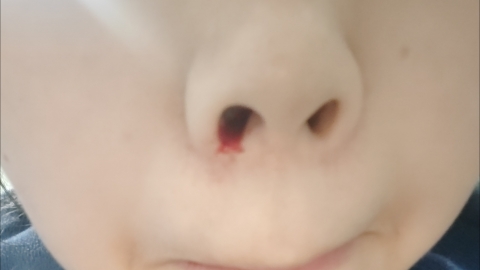
1. Fragile nasal mucosa: The nasal cavity contains abundant capillaries and has thin mucosa, which can easily rupture and bleed even from slight irritation. Nosebleeds are especially common in children and adolescents. During a nosebleed, press the sides of the nostrils with your fingers to stop the bleeding. Avoid picking the nose to reduce mucosal damage.
2. Environmental dryness and irritation: Dry air, excessively high or low temperatures can cause moisture loss in the nasal mucosa, increasing capillary fragility and triggering nosebleeds. Nasal saline sprays can be used to maintain moisture, humidifiers can be placed indoors to regulate humidity, and increased water intake helps maintain hydration.
3. Acute rhinitis: Nasal inflammation caused by viral or bacterial infection leads to mucosal congestion and swelling, making it prone to rupture and bleed. Symptoms include nasal congestion, runny nose, and headache. Patients may follow medical advice to use medications such as oxymetazoline hydrochloride nasal drops, ribavirin nasal drops, or loratadine tablets to relieve symptoms.
4. Vestibulitis: Inflammation of the skin in the anterior part of the nasal cavity causes mucosal erosion and bleeding, accompanied by local pain and crusting. Patients may follow medical advice to apply topical medications such as erythromycin ointment, mupirocin ointment, or fusidic acid cream to the affected area and maintain nasal hygiene.
5. Deviated nasal septum: The nasal septum curves to one or both sides, and the mucosa in the deviated area is thin, making it susceptible to rupture from airflow impact and causing nosebleeds, often accompanied by nasal congestion and headache. Mild symptoms can be relieved by avoiding strenuous exercise and reducing irritation. Severe cases may require septoplasty to correct the deviation and reduce bleeding episodes.
Maintain nasal hygiene and avoid picking the nose with fingers. Diet-wise, consume more foods rich in vitamins, such as spinach and oranges, to enhance blood vessel elasticity. Dress warmly during weather changes to prevent respiratory infections and reduce triggers for nosebleeds.


