


Is red amaranth helpful for liver function?
Aug 01, 2025
Source: Cainiu Health

Dr. Gao Jun
Introduction
Under normal circumstances, red amaranth has a certain auxiliary benefit for liver function, but its effect is limited and it should not be solely relied upon to improve liver function. In daily life, in addition to consuming red amaranth in moderation, maintaining liver function also requires avoiding alcohol consumption, reducing intake of high-fat and high-sugar foods to prevent increasing the metabolic burden on the liver; maintaining a regular作息 (routine作息 should be translated as "routine" or "daily routine") and avoiding late-night awakenings to allow the liver sufficient time to recover.
Generally speaking, red amaranth has certain auxiliary benefits for liver function, but its effects are limited and it alone cannot be relied upon to improve liver function. The specific analysis is as follows:
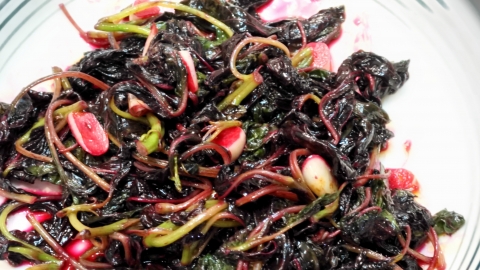
Red amaranth contains abundant vitamin C, vitamin E, dietary fiber, and various minerals. These nutrients help enhance the body's antioxidant capacity, reducing free radical damage to liver cells. Its dietary fiber promotes intestinal motility, aids in the elimination of metabolic waste, alleviates the detoxification burden on the liver, and thus moderate consumption can be one of the dietary choices for maintaining liver function.
For individuals with abnormal liver function or liver disease, simply eating red amaranth cannot achieve significant improvement effects. It is also necessary to combine standardized treatment and other health management measures. Moreover, red amaranth contains considerable oxalic acid, excessive consumption may affect calcium absorption, potentially burdening the body and being detrimental to overall health.
In daily life, besides moderate consumption of red amaranth, maintaining good liver function also requires avoiding alcohol consumption, reducing intake of high-fat and high-sugar foods to prevent increasing the liver's metabolic load, and maintaining regular sleep patterns while avoiding late nights, allowing the liver sufficient time to recover.


