


Is having hot palms and soles of the feet a sign of kidney deficiency?
Aug 07, 2025
Source: Cainiu Health

Dr. Yang Guang
Introduction
In general, hot palms and soles are not necessarily caused by kidney deficiency; they may also result from other factors. If discomfort occurs, it is recommended to seek timely medical consultation and treatment at a正规 hospital. When experiencing hot palms and soles, do not arbitrarily assume it is kidney deficiency and take supplements blindly, as this may lead to improper treatment and adverse effects on the body. Pay attention to whether there are other accompanying symptoms, such as thirst or night sweats.
Generally speaking, hot palms and soles are not necessarily caused by kidney deficiency; they may also result from other factors. If discomfort occurs, it is recommended to seek timely diagnosis and treatment at a qualified hospital. Detailed analysis is as follows:
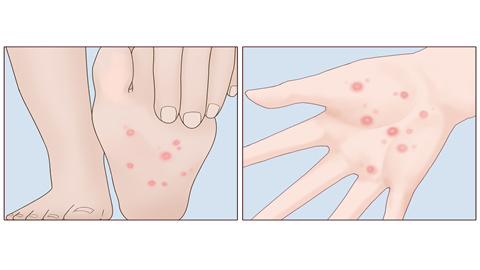
Hot palms and soles are not always indicators of kidney deficiency. For example, prolonged exposure to a high-temperature environment or increased body heat production after strenuous exercise can cause an increase in temperature in areas such as the palms and soles. This is considered a normal physiological response and is not related to kidney deficiency. Symptoms typically resolve spontaneously after leaving the hot environment or following a period of rest. Additionally, women undergoing menopause often experience hot palms and soles due to autonomic nervous system dysfunction caused by hormonal changes. This is a typical manifestation of menopause and not attributable to kidney deficiency.
Hot palms and soles may also be caused by other conditions. From the perspective of traditional Chinese medicine, individuals with a yin-deficiency constitution have insufficient body fluids and excessive internal heat (deficiency fire), which can easily lead to hot palms and soles, possibly accompanied by symptoms such as dry mouth and throat, a red tongue with little coating, and others. From a Western medicine perspective, patients with hyperthyroidism experience increased metabolism and heat production, which can manifest as hot palms and soles, often accompanied by palpitations, excessive sweating, weight loss, and other symptoms.
When experiencing hot palms and soles, do not blindly assume it is kidney deficiency and take supplements arbitrarily, as this may lead to adverse effects if the symptoms are not appropriately addressed. Pay attention to whether there are other accompanying symptoms, such as thirst, night sweats, or palpitations. Furthermore, maintain regular作息 (作息 translates to作息 habits or routines) and a balanced diet in daily life, and avoid excessive fatigue.


