


What is the difference between lychee and longan?
Aug 07, 2025
Source: Cainiu Health

Dr. Yu Yongchao
Introduction
Lychee fruits are relatively large, with a bright red or purplish-red shell covered with prominent scaly bumps. The pulp is translucent and encases a relatively large seed. Longan fruits are smaller, with a yellowish-brown shell that is comparatively smooth. The pulp is creamy white and the seed is small and round. Lychee pulp has a juicy and plump texture, with a flavor that is delicately sweet and slightly tart. Longan pulp is denser and firmer, with a rich and intensely sweet taste.
The general differences between lychee and longan include fruit appearance, taste and flavor, properties in terms of traditional Chinese medicine, nutritional components, and dietary contraindications. A detailed analysis is as follows:
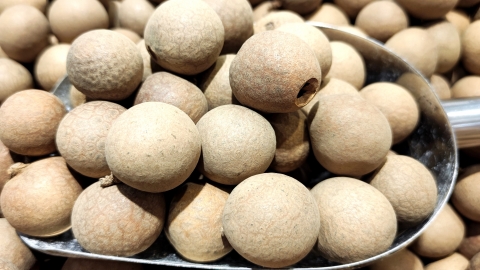
1. Fruit Appearance: Lychee fruits are relatively larger, with a bright red or purplish-red outer shell covered with noticeable scaly bumps. The translucent pulp surrounds a relatively large seed. Longan fruits are smaller, with a yellowish-brown shell that is relatively smooth. The pulp is creamy white with a small, round seed.
2. Taste and Flavor: Lychee pulp is juicy and plump, with a sweet flavor slightly mixed with tartness and abundant juice. Longan pulp is relatively denser and firmer, with a rich, intensely sweet flavor that is sweeter than lychee but contains relatively less juice.
3. Properties in Traditional Chinese Medicine: According to traditional Chinese medicine, lychee has a warm nature and excessive consumption may easily cause internal heat. Longan is even warmer in nature and possesses warming and nourishing effects. Excessive consumption can more easily lead to heatiness symptoms.
4. Nutritional Components: Lychee is rich in vitamin C and glucose, capable of rapidly replenishing energy. Longan contains more protein, iron, and B-complex vitamins, making it more prominent in nourishing and health-benefiting effects.
5. Dietary Contraindications: Due to its high sugar content, individuals with elevated blood sugar should strictly control their lychee intake. Longan, because of its strong warming and nourishing effect, should be consumed cautiously by individuals with heat-prone body constitutions or those experiencing colds and fever, to avoid aggravating physical discomfort.
When purchasing lychees and longans, fresh and mature fruits should be selected. Consumption should be controlled in quantity to avoid excess. Selection should be based on individual body constitution. If symptoms such as dry mouth and throat discomfort occur after consumption, consumption should be stopped, adequate hydration maintained, and professional advice sought if necessary.




