


What could be the possible causes of chronic cough?
Aug 21, 2025
Source: Cainiu Health

Dr. Ren Yi
Introduction
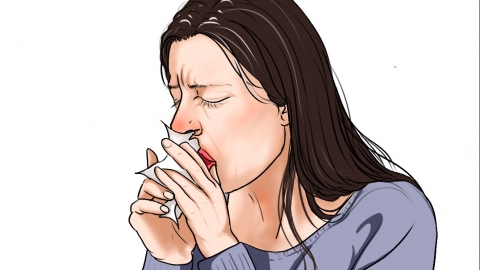
Under normal circumstances, the main possible causes of chronic cough include increased airway sensitivity, adverse environmental stimuli, cough variant asthma, upper airway cough syndrome, and gastroesophageal reflux disease. If discomfort symptoms occur, it is recommended to seek timely medical consultation and treatment at a正规 hospital. In daily life, it is important to maintain a regular作息 schedule and avoid excessive fatigue.
Generally, the main possible causes of chronic cough include increased airway sensitivity, adverse environmental stimuli, cough variant asthma, upper airway cough syndrome, and gastroesophageal reflux disease. If discomfort symptoms occur, it is recommended to seek timely medical consultation and treatment at a regular hospital. Detailed explanations are as follows:
1. Increased Airway Sensitivity
In some individuals, the airway mucosa shows abnormally heightened responsiveness to irritants. Minor stimuli, such as cold air or dust, can trigger a cough reflex, leading to chronic cough. It is important to avoid exposure to irritant gases and allergens in daily life. Wearing a mask when going outdoors and maintaining humid indoor air can help reduce airway irritation.
2. Adverse Environmental Stimulation
Long-term exposure to air pollution, smoking environments, or contact with kitchen fumes and chemical substances can continuously irritate the respiratory mucosa, causing chronic cough. It is essential to improve the living environment, stay away from polluted areas, quit smoking, avoid secondhand smoke, and use an exhaust fan while cooking in the kitchen to reduce fume exposure.
3. Cough Variant Asthma
This is a special type of asthma characterized primarily by chronic cough. The airways exhibit hyperresponsiveness, and coughing worsens upon exposure to allergens. Under a doctor's guidance, medications such as budesonide-formoterol powder inhaler, salbutamol aerosol, and montelukast sodium chewable tablets may be used to relieve airway spasms and inflammation.
4. Upper Airway Cough Syndrome
Secretions from upper airway diseases such as rhinitis and sinusitis may drain backward into the throat, stimulating cough receptors and causing chronic cough. Under a doctor's guidance, medications such as mometasone furoate nasal spray, loratadine tablets, and eucalyptus oil soft capsules may be used to reduce nasal inflammation and decrease postnasal drip.
5. Gastroesophageal Reflux Disease (GERD)
Stomach contents reflux into the esophagus and throat, irritating the mucosa and causing chronic cough, often accompanied by symptoms such as acid regurgitation and heartburn. It is important to avoid overeating, refrain from eating 2-3 hours before bedtime, and under a doctor's guidance, take medications such as omeprazole enteric-coated capsules, domperidone tablets, and aluminum magnesium carbonate chewable tablets to suppress gastric acid secretion and promote gastric emptying.
In daily life, maintaining a regular sleep schedule and avoiding excessive fatigue are important. Eating a light diet and avoiding spicy, overly sweet, or greasy foods is recommended. Engaging in moderate physical exercise can help strengthen respiratory resistance. If cough persists or worsens, timely medical consultation is necessary to identify the underlying cause and adjust the treatment plan accordingly.






