What are the clinical manifestations of benign prostatic hyperplasia (BPH)?
Aug 27, 2025
Source: Cainiu Health

Dr. Cao Zhiqiang
Introduction
Under normal circumstances, benign prostatic hyperplasia (BPH) is a common urinary system disease among middle-aged and elderly men. It is caused by the benign enlargement of the prostate tissue, which compresses the urethra and affects urination function. Common clinical manifestations include frequent urination, urgency, difficulty in urination, narrowed urine stream, and a sensation of incomplete bladder emptying. If discomfort symptoms occur, it is recommended to seek timely medical consultation and treatment at a正规 hospital. A detailed analysis is as follows:
Generally, benign prostatic hyperplasia (BPH) is a common urinary tract disease among middle-aged and elderly males. It results from benign enlargement of the prostate tissue, which compresses the urethra and affects urination function. Common clinical manifestations include frequent urination, urgency, difficulty in urination, narrowed urinary stream, and a sensation of incomplete bladder emptying. If discomfort symptoms occur, it is recommended to seek timely medical treatment at a formal hospital. Detailed analysis is as follows:
1. Frequent urination
Frequent urination is a common early symptom of benign prostatic hyperplasia, characterized by increased frequency of urination, especially at night. This mainly occurs because the enlarged prostate compresses the bladder neck, reducing the effective capacity of the bladder and its ability to store urine. Even small amounts of urine can stimulate the bladder, creating the urge to urinate and increasing the frequency of urination.
2. Urgency
Urgency manifests as a sudden, intense desire to urinate that is difficult to defer, and may even lead to urinary incontinence. The enlarged prostate irritates the trigone of the bladder and the urethra, increasing the sensitivity of the bladder. Even slight bladder filling can trigger a strong urge to urinate, making it difficult for patients to control the timing of urination.
3. Difficulty in urination
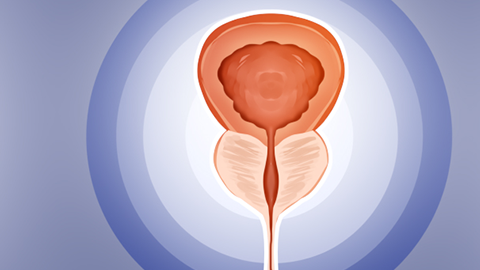
Difficulty in urination is a typical symptom of benign prostatic hyperplasia. Initially, it presents as a delay in starting urination, requiring a waiting period before urine can be expelled. As the condition progresses, patients may experience straining to urinate and need to increase abdominal pressure to complete the process. This occurs because the enlarged prostate compresses the urethra, narrowing the urethral lumen and increasing resistance to urine outflow, resulting in an unsmooth urination process.
4. Narrowed urinary stream
A narrowed urinary stream is characterized by a thinner urine flow during urination, appearing as a fine line. In severe cases, the stream may become a mere dribble. This occurs because the urethra is compressed by the enlarged prostate, reducing the cross-sectional area of the urethral lumen. As urine passes through, its flow velocity decreases and volume reduces, altering the stream's appearance from a normal wide flow to a narrow one.
5. Sensation of incomplete bladder emptying
The sensation of incomplete bladder emptying refers to the feeling that the bladder has not been fully emptied after urination, with a persistent urge to void. The enlarged prostate causes urethral obstruction, preventing complete urine expulsion. Some urine remains in the bladder, and this residual urine continuously stimulates the bladder, creating the sensation of incomplete emptying. Sometimes, patients may need to urinate multiple times to achieve partial relief.
In addition, patients with benign prostatic hyperplasia may also experience hematuria (blood in the urine) or urinary tract infections. If the above symptoms appear, it is recommended to seek timely medical evaluation to confirm the condition and implement appropriate interventions. Furthermore, in daily life, it is important to avoid prolonged sitting and urine retention, minimizing prostate irritation.