


What are the clinical manifestations and symptoms after HIV infection?
Dec 03, 2025
Source: Cainiu Health

Dr. Liu Wenmin
Introduction
In general, AIDS is an infectious disease caused by the human immunodeficiency virus (HIV), and its manifestations vary at different stages after infection. Main symptoms include acute fever and rash, generalized lymphadenopathy, oral mucosal lesions, opportunistic infections, and ulcerative skin lesions. Since AIDS symptoms lack specificity, individuals with high-risk behaviors should undergo regular testing.
Generally, AIDS is an infectious disease caused by the human immunodeficiency virus (HIV), and its manifestations vary at different stages after infection. These mainly include acute fever with rash, generalized lymphadenopathy, oral mucosal lesions, opportunistic infections, and skin ulcerative lesions. A detailed analysis is as follows:
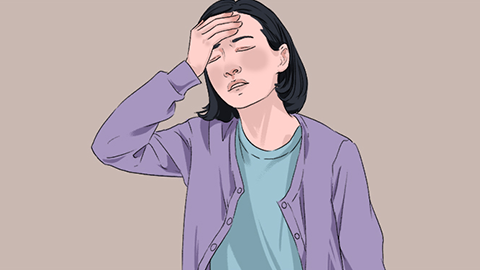
1. Acute fever with rash: Two to four weeks after infection, mild to moderate fever commonly occurs, with body temperature ranging from 37.5°C to 39°C, lasting for 1–2 weeks, accompanied by chills and sweating. One to two days after the onset of fever, red maculopapular rashes appear, mostly on the face and trunk. The rash is typically non-pruritic and resolves spontaneously within 5–8 days.
2. Generalized lymphadenopathy: Enlarged lymph nodes in areas such as the neck and axilla may appear during the acute phase, with a diameter exceeding 1 cm. The nodes are soft in texture and slightly tender upon palpation. In the AIDS stage, persistent enlargement can develop in multiple sites, presenting smooth surfaces and mobility; these show little response to conventional treatments.
3. Oral mucosal lesions: Oral candidiasis is common, characterized by white plaques on the mucosa that are difficult to wipe off. After removal, a red underlying surface becomes visible, often associated with painful swallowing. Some patients develop hairy leukoplakia on the tongue, which serves as an important clue for early diagnosis.
4. Opportunistic infection symptoms: Due to impaired immunity, Pneumocystis pneumonia frequently develops, manifesting as progressive dyspnea and dry cough. When tuberculosis coexists, persistent cough and night sweats occur, significantly affecting respiratory function and overall health status.
5. Skin ulcerative lesions: Herpes zoster is common in the AIDS stage, presenting as clusters of vesicles distributed along nerve pathways, causing severe pain. After rupture, these form eroded surfaces. Herpes simplex may also occur, where vesicles on the lips or genitalia break open and develop into shallow ulcers that heal slowly.
The symptoms of AIDS lack specificity. Individuals with high-risk behaviors should undergo regular testing. Once diagnosed, patients should follow medical advice for standardized treatment, maintain healthy sleep patterns and balanced nutrition, avoid staying up late and excessive fatigue, thereby delaying disease progression.





