


Can pregnant women consume Ophiopogon japonicus (Mai Dong)?
Sep 03, 2025
Source: Cainiu Health

Dr. Sun Lianqing
Introduction
Under normal circumstances, pregnant women can consume Ophiopogon japonicus (Mai Dong) in moderation. It is recommended that pregnant women consult a professional traditional Chinese medicine practitioner or obstetrician before consuming Mai Dong, to determine whether their body constitution is suitable for its consumption, as well as to understand the appropriate method and dosage. Mai Dong should not be taken concurrently with Veratrum (Li Lu) or Trichosanthes root (Bai Lian), as this may reduce its efficacy or cause adverse reactions.
Generally speaking, pregnant women can consume Ophiopogon japonicus (Mai Dong) in moderation. The detailed analysis is as follows:
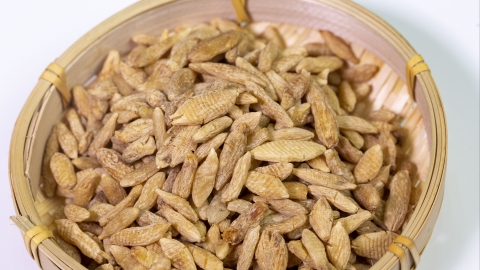
Ophiopogon japonicus has functions of nourishing yin, promoting body fluid production, moistening the lungs, and calming the heart. During pregnancy, if symptoms such as dry mouth and throat discomfort, or mild irritability and unstable sleep caused by yin deficiency occur, moderate consumption of Ophiopogon japonicus can help alleviate these symptoms and replenish the body's required fluids. Due to its relatively mild nature, moderate intake generally does not burden the body during pregnancy.
Before consuming Ophiopogon japonicus, pregnant women are advised to consult a professional TCM practitioner or obstetrician to determine whether their body constitution is suitable for its consumption, as well as to obtain guidance on proper methods and dosages. Ophiopogon japonicus should not be used together with Veratrum (Li Lu), Ampelopsis (Bai Lian), or other similar traditional Chinese herbs, as this may reduce drug efficacy or cause adverse reactions. When taking Ophiopogon japonicus, pregnant women should avoid taking other medications simultaneously; if other medications are necessary, there should be an interval of at least two hours. Additionally, Ophiopogon japonicus can be combined with mild ingredients such as lily bulbs (Bai He) and wolfberries (Gou Qi) to prepare nourishing soups, thereby enhancing its therapeutic dietary effects.



