


What should not be eaten with sausage?
Nov 10, 2025
Source: Cainiu Health

Dr. Yu Yongchao
Introduction
Sausages should not be consumed in large quantities together with high-starch foods, high-salt foods, highly acidic foods, foods rich in tannins, or high-fat foods, as this may easily increase gastrointestinal burden, cause discomfort, or exacerbate health risks. If severe abdominal pain, vomiting, diarrhea, or similar symptoms occur after consumption, prompt medical attention is recommended. Drinking plenty of warm water after eating can aid metabolism and reduce bodily strain.
Charcuterie should not be consumed in large quantities together with high-starch foods, high-salt foods, highly acidic foods, foods rich in tannins, or high-fat foods, as this may increase gastrointestinal burden, trigger discomfort, or exacerbate health risks. If severe abdominal pain, vomiting, diarrhea, or similar symptoms occur after consumption, medical attention is recommended.
1. High-starch foods: such as potatoes, sweet potatoes, and rice cakes. As charcuterie is inherently difficult to digest, consuming it with high-starch foods further increases digestive strain on the gastrointestinal tract, potentially causing bloating and belching. Individuals with weak digestion are especially prone to discomfort.
2. High-salt foods: such as pickled vegetables, cured meats, and preserved vegetables. Charcuterie already contains a significant amount of added salt during processing. Combining it with other high-salt foods can lead to excessive sodium intake, increasing the long-term risk of hypertension and placing additional strain on kidney metabolism.
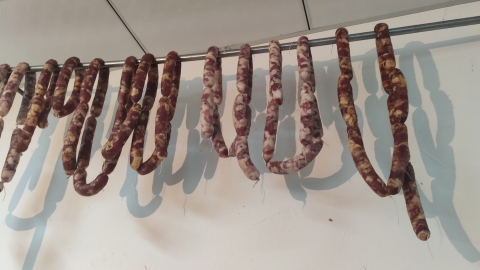
3. Highly acidic foods: such as lemons, hawthorns, and vinegar-pickled foods. Acidic substances can irritate the gastric mucosa and may react with proteins in charcuterie to form indigestible clumps, leading to stomach pain and acid reflux.
4. Foods high in tannins: such as strong tea, persimmons, and pomegranates. Tannins can bind with iron and proteins in charcuterie to form insoluble precipitates that are difficult to absorb. This not only reduces nutrient absorption but may also cause constipation.
5. High-fat foods: such as fried foods, fatty meats, and butter. Since charcuterie itself is relatively high in fat, combining it with other high-fat foods leads to excessive fat intake, which may cause indigestion and, over time, increase the risk of obesity.
When consuming charcuterie, portion control is important. Pair it with fresh vegetables like lettuce or cucumber to aid digestion. Opt for light cooking methods such as steaming or boiling, and avoid frying. Drinking warm water after eating can help promote metabolism and reduce bodily strain.




