


Can you still eat sea cucumber after freezing it for a month?
Nov 10, 2025
Source: Cainiu Health

Dr. Yu Yongchao
Introduction
In general, whether mussels are still edible after being frozen for a month depends on the freezing conditions and the condition of the mussels. After purchasing mussels, they should be frozen as soon as possible, ensuring freshness before freezing. They should be sealed in packaging to prevent odor transfer from other foods, and kept at a consistently stable freezing temperature. When thawing, use either the refrigerator method or cold water thawing; avoid prolonged thawing at room temperature.
Generally speaking, whether mussels can still be eaten after being frozen for a month depends on the freezing conditions and the condition of the mussels. The specific analysis is as follows:
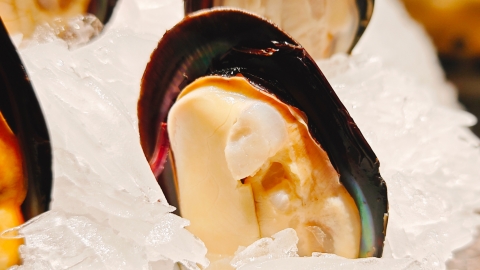
If the mussels were quickly frozen when fresh, kept consistently below -18°C during freezing without repeated thawing and refreezing, and appear intact with no shell damage after thawing, have plump, elastic flesh, and show no off-odors or slime, they are generally safe to eat. Low temperatures effectively inhibit microbial growth and preserve mussel quality, maintaining good edibility within one month.
However, if the mussels were not sufficiently fresh before freezing, experienced significant temperature fluctuations during storage, were improperly sealed leading to odor transfer, or show severely damaged shells, soft and non-elastic flesh, foul odors, or excessive slime after thawing, they have likely spoiled and should not be consumed. Improper freezing can damage mussel cell structures and promote harmful microbial growth, which may cause gastrointestinal discomfort if ingested.
After purchasing mussels, freeze them as soon as possible to ensure freshness. Use sealed packaging to prevent odor transfer with other foods and maintain a stable freezing temperature. Thaw in the refrigerator or under cold water—avoid prolonged thawing at room temperature. Before consumption, carefully inspect the mussels for any abnormalities and cook them thoroughly to ensure food safety.


