


What should I do about irritability caused by hot weather?
Nov 14, 2025
Source: Cainiu Health

Dr. Zhang Baohua
Introduction
In general, irritability caused by hot weather may be due to factors such as impaired thermoregulatory stress response, neurotransmitter imbalances, neurasthenia, anxiety disorder, or hyperthyroidism. It is recommended to seek medical attention promptly, identify the underlying cause, and then improve symptoms under a doctor's guidance through general management, medication, and other treatments. In daily life, avoid going outdoors during peak heat hours in the afternoon, ensure indoor ventilation, and use air conditioning appropriately.
Under normal circumstances, irritability caused by hot weather may be due to factors such as thermoregulatory stress, neurotransmitter imbalances, neurasthenia, anxiety disorder, or hyperthyroidism. It is recommended to seek medical attention promptly, identify the underlying cause, and then improve symptoms under a doctor's guidance through general management, medication, and other approaches. A detailed analysis is as follows:
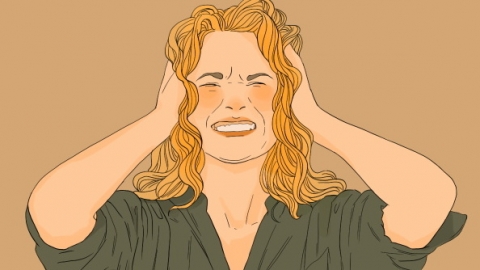
1. Thermoregulatory Stress: In high temperatures, the body’s energy expenditure for heat dissipation increases, leading to heightened sympathetic nervous system activity, which directly triggers irritability. Immediately move to a cool area, apply wet towels to the forehead and neck to lower body temperature, and drink more lightly salted water to replenish lost electrolytes, thereby quickly alleviating the body's stress response.
2. Neurotransmitter Imbalance: High temperatures can affect serotonin secretion; reduced levels of this mood-regulating neurotransmitter lead to diminished emotional control. Maintain regular sleep patterns and avoid staying up late, consume foods rich in serotonin precursors such as cherries and bananas, and practice 15 minutes of meditation daily to stabilize nervous system function.
3. Neurasthenia: Prolonged exposure to high temperatures combined with mental stress makes the nervous system overly excitable and easily fatigued, worsening irritability. Patients should follow medical advice to take medications such as oryzanol tablets, vitamin B1 tablets, or diazepam tablets, and engage in mild exercise during cooler evening hours to relieve nervous tension.
4. Anxiety Disorder: Hot environments can intensify feelings of anxiety, leading to frequent episodes of irritability and restlessness. Follow a doctor’s instructions to use medications such as buspirone hydrochloride tablets, tandospirone citrate capsules, or lorazepam tablets, along with cognitive behavioral therapy to regulate emotional responses.
5. Hyperthyroidism: Abnormal hormone levels inherently cause bodily overactivity, and high temperatures further stimulate the sympathetic nervous system, exacerbating irritability. Patients may take medications such as methimazole tablets, propylthiouracil tablets, or metoprolol tartrate tablets as directed by a physician to suppress hormone secretion and stabilize mood.
In daily life, avoid going outdoors during peak afternoon heat. Keep indoor spaces well-ventilated and use air conditioning appropriately, setting the temperature to around 26°C. Maintain a light, easily digestible diet and reduce intake of spicy or stimulating foods. Engage in relaxing activities such as listening to soothing music or gardening to divert attention and alleviate feelings of irritability.





