


Is progesterone 18.3 ng/mL normal?
Nov 14, 2025
Source: Cainiu Health

Dr. Zhang Lu
Introduction
If tested at 6–8 weeks of gestation, a progesterone level of 18.3 ng/mL generally falls within the normal range for this stage. At this level, progesterone can support embryo implantation and early development. If accompanied by normal human chorionic gonadotropin (hCG) levels, ultrasound findings showing good embryonic development, and no symptoms such as abdominal pain or bleeding, this indicates that hormone levels are appropriate for the stage of pregnancy, and there is no need for excessive concern.
Generally, a progesterone level of 18.3 ng/mL may be considered normal during early pregnancy (around 6–8 weeks of gestation), but could be abnormal if measured outside of pregnancy or at other stages of early pregnancy. If concerned, it is advisable to consult a healthcare provider promptly. Detailed analysis is as follows:
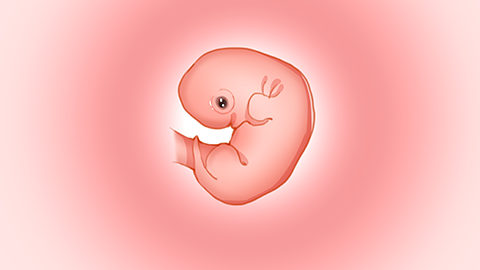
If the test is conducted at 6–8 weeks of pregnancy, a progesterone level of 18.3 ng/mL generally falls within the normal range for this stage. At this point, progesterone levels are sufficient to support embryo implantation and early development. If accompanied by normal human chorionic gonadotropin (hCG) levels, ultrasound findings indicating healthy embryonic development, and absence of symptoms such as abdominal pain or vaginal bleeding, the hormone levels are likely adequate for the pregnancy, and there is usually no need for excessive concern.
If the measurement is taken outside of pregnancy (e.g., during the follicular or luteal phase), a progesterone level of 18.3 ng/mL exceeds the normal reference range and may indicate endocrine disorders, such as luteal phase defect. If measured during early pregnancy but earlier than 5 weeks or beyond 9 weeks, this value may be either lower or higher than expected. A lower-than-expected level may increase the risk of miscarriage, while a higher level warrants evaluation for abnormal pregnancies. In such cases, further diagnostic tests are needed to determine the underlying cause.
A single progesterone reading of 18.3 ng/mL alone cannot definitively determine whether the hormonal status is normal. During pregnancy, regular monitoring of progesterone trends is recommended. If abnormal values or physical symptoms arise, timely medical consultation and appropriate diagnostic evaluations are essential—self-assessment should be avoided to prevent delays in proper management.





