


What causes irritability in a 14-year-old girl?
Nov 20, 2025
Source: Cainiu Health

Dr. Zhou Xiaofeng
Introduction
In general, irritability in 14-year-old girls may be caused by hormonal changes during puberty, excessive academic pressure, anxiety, hyperthyroidism, depression, or other factors. At age 14, individuals are in puberty, during which estrogen and progesterone levels fluctuate frequently, affecting neurotransmitter secretion and leading to reduced emotional regulation, making irritability more likely.
Under normal circumstances, irritability in a 14-year-old girl may be caused by hormonal changes during puberty, excessive academic pressure, anxiety, hyperthyroidism, depression, or other reasons. If discomfort symptoms occur, it is recommended to seek timely medical evaluation and treatment at a reputable hospital. A detailed analysis is as follows:
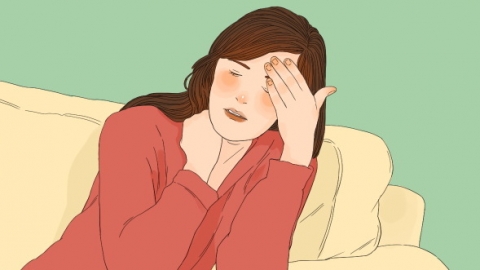
1. Hormonal changes during puberty: At age 14, girls are in puberty, during which estrogen and progesterone levels fluctuate frequently, affecting neurotransmitter secretion and reducing emotional regulation capacity, leading to irritability. No specific medication is required. Family members should communicate more, show understanding, and help the girl learn to release emotions through physical activity, talking about feelings, and other methods to smoothly navigate this developmental stage.
2. Excessive academic pressure: Facing pressures such as school advancement and exams, prolonged mental tension can lead to emotional buildup, causing outbursts over minor issues and decreased learning efficiency. It's important to plan study time reasonably, avoid excessive pressure, and relieve stress through outdoor activities and hobbies. When necessary, seek guidance from teachers or psychological counselors to adjust study-related mindset.
3. Anxiety: Chronic stress can trigger anxiety, with inner unease manifesting as irritability,表现为易怒、坐立不安,nighttime insomnia may also occur. Under medical supervision, medications such as sertraline tablets, fluvoxamine maleate tablets, or buspirone hydrochloride tablets may be prescribed to alleviate anxiety. Psychological counseling should also be provided to help the girl process emotions and reduce psychological burden.
4. Hyperthyroidism: Excessive thyroid hormone secretion accelerates metabolism and increases nervous system excitability, leading to irritability, palpitations, excessive sweating, and weight loss. Treatment under medical guidance may include methimazole tablets, propylthiouracil tablets, or propranolol hydrochloride tablets to regulate thyroid function. Regular monitoring of hormone levels is necessary to adjust medication dosage accordingly.
5. Depression: Persistent low mood accompanied by irritability may outwardly appear as anger but actually reflects internal emotional pain, along with reduced interest and self-criticism. Doctors may prescribe fluoxetine capsules, venlafaxine extended-release tablets, or mirtazapine tablets to improve mood, combined with cognitive behavioral therapy to help the girl develop positive thinking patterns and alleviate depressive symptoms.
In daily life, family members should pay close attention to the girl’s emotional changes and foster a supportive and understanding home environment. Maintain regular sleep patterns and a balanced diet, avoiding late nights and excessive intake of high-sugar foods. If irritability persists or worsens, or if other abnormal symptoms appear, prompt medical consultation is essential to identify the underlying cause and strictly follow medical advice for treatment.





