


What are the symptoms of complications after subtotal hysterectomy?
Nov 14, 2025
Source: Cainiu Health

Dr. Zhang Lu
Introduction
After subtotal hysterectomy, patients may generally experience symptoms such as pelvic pain or discomfort, abnormal menstrual changes, urinary system dysfunction, decreased sexual quality of life, and psychological or emotional fluctuations. Pelvic pain or discomfort: the surgery may cause traction or injury to pelvic tissues, leading to dull pain or a sensation of heaviness in the pelvic area during the postoperative recovery period.
After subtotal hysterectomy, patients may generally experience symptoms such as pelvic pain or discomfort, abnormal menstrual changes, urinary system dysfunction, decreased sexual quality of life, and psychological or emotional fluctuations. A detailed analysis is as follows:
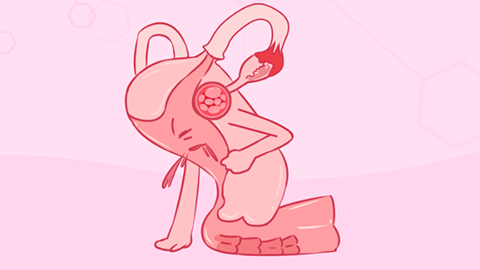
1. Pelvic pain or discomfort: The surgery may cause traction or injury to pelvic tissues, leading to dull pain or a sensation of heaviness in the pelvic area during postoperative recovery. The severity varies among individuals; some may experience intermittent mild pain that worsens with fatigue.
2. Abnormal menstrual changes: After subtotal hysterectomy, part of the endometrium may remain, resulting in light menstrual-like bleeding post-surgery. However, the amount of bleeding is significantly reduced and the duration shortened. In some cases, menstruation ceases completely after surgery, while others may experience irregular bleeding cycles.
3. Urinary system dysfunction: The surgery may affect pelvic tissues related to the urinary system, causing symptoms such as frequent urination and urgency—meaning increased frequency of urination and difficulty delaying urination when the urge arises. In severe cases, this may increase the risk of urinary tract infections.
4. Decreased sexual quality of life: Postoperative pelvic adhesions or hormonal changes may lead to pain or discomfort during intercourse, thereby reducing interest in sexual activity. Some individuals may also experience difficulties with sexual arousal due to psychological factors or physiological changes, further lowering sexual satisfaction.
5. Psychological and emotional fluctuations: Hysterectomy may impact a woman's psychological well-being, making her prone to anxiety, depression, and mood swings after surgery. Symptoms may include low mood, reduced interest, lack of enthusiasm for daily activities, and in some cases, accompanying sleep disturbances.
When experiencing any of the above postoperative complications, it is important to promptly consult a physician to determine the underlying cause. Adequate rest should be taken after surgery, excessive physical strain avoided, and daily activities resumed gradually.






