


What to do about irritability and short temper in spring
Nov 17, 2025
Source: Cainiu Health

Dr. Zhang Baohua
Introduction
Irritability and quick temper in spring may be caused by spring fatigue, leading to insufficient sleep, hormonal fluctuations, anxiety, hyperthyroidism, manic episodes, or other reasons. It is recommended to seek medical attention promptly, identify the underlying cause, and then improve symptoms under a doctor's guidance through general lifestyle adjustments, medication, and other treatments. In daily life, reduce intake of stimulating beverages such as coffee and strong tea, and communicate more with family and friends to express your feelings.
Generally, irritability and quick temper in spring may be caused by factors such as spring fatigue leading to sleep deprivation, hormonal fluctuations, anxiety, hyperthyroidism, or manic episodes. It is recommended to seek medical advice promptly, identify the underlying cause, and improve symptoms through general lifestyle adjustments, medications, and other treatments under a doctor's guidance. Specific explanations are as follows:
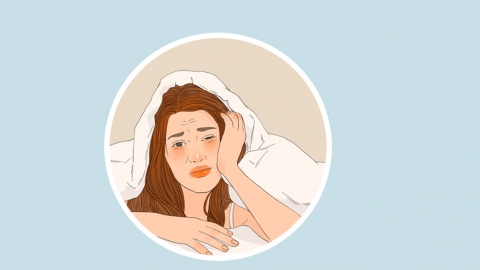
1. Sleep deprivation due to spring fatigue: In spring, longer days and shorter nights can disrupt the body's biological clock, reducing sleep quality. The nervous system does not get sufficient rest, which may lead to emotional instability. Maintain a regular sleep schedule with fixed bedtime and wake-up times. Avoid electronic devices one hour before bed. Soaking feet in warm water for 15 minutes and drinking a cup of warm milk before sleep can help improve sleep quality.
2. Hormonal fluctuations: Rising temperatures in spring stimulate activity in the hypothalamic-pituitary axis, increasing secretion of adrenaline and cortisol, which may excite the nervous system and cause irritability. Engage in 30 minutes of outdoor walking daily, breathe fresh air, and increase intake of foods rich in phytoestrogens such as soy products and nuts to help stabilize hormone levels.
3. Anxiety state: Environmental changes in spring may trigger psychological fluctuations. Prolonged mental stress can lead to anxiety, manifesting as irritability and restlessness. Follow medical advice to use medications such as buspirone hydrochloride tablets, tandospirone citrate capsules, or lorazepam tablets, along with 15 minutes of deep-breathing relaxation exercises daily.
4. Hyperthyroidism: Excessive secretion of thyroid hormones accelerates metabolism, causing persistent nervous system excitement, resulting in symptoms such as agitation and irritability. Patients should take medications such as methimazole tablets, propylthiouracil tablets, or metoprolol tartrate tablets as prescribed to reduce hormone production.
5. Manic episode: A psychiatric disorder characterized by alternating periods of elevated mood and irritability, often accompanied by excessive energy and increased speech. Treatment includes medications such as lithium carbonate sustained-release tablets, olanzapine tablets, or risperidone orally disintegrating tablets, as directed by a physician, combined with psychosocial interventions to avoid strong emotional triggers.
In daily life, reduce consumption of stimulants such as coffee and strong tea, and communicate more with family and friends. During leisure time, cultivate hobbies such as painting or gardening to divert attention. Comprehensive lifestyle adjustments can help improve emotional well-being and maintain physical and mental health.






