


What causes anxiety and a tight, oppressive feeling in the chest, and what should be done about it?
Nov 17, 2025
Source: Cainiu Health

Dr. Zhang Baohua
Introduction
Anxiety and chest tightness with a feeling of pressure may be caused by emotional stress, excessive fatigue, generalized anxiety disorder, panic disorder, or cardiac neurosis. Symptoms can be improved through emotional regulation, rest, relaxation techniques, and medication. If symptoms occur frequently or worsen, prompt medical attention is necessary. Such symptoms may arise from sudden major events or long-term psychological stress.
Anxiety and chest tightness with a feeling of pressure may be caused by emotional stress, excessive fatigue, generalized anxiety disorder, panic disorder, or cardiac neurosis. These symptoms can be improved through emotional regulation, rest and relaxation, medication, and other methods. If symptoms occur frequently or worsen, prompt medical attention is necessary.
1. Emotional Stress: Sudden major events or prolonged psychological pressure can trigger intense emotional fluctuations, leading to increased autonomic nervous system activity and resulting in anxiety, chest tightness, and a sensation of pressure. It is recommended to relieve emotions through deep breathing and meditation, talk to family or friends to release stress, and avoid prolonged emotional tension.
2. Excessive Fatigue: Chronic sleep deprivation and physical exhaustion reduce bodily function and increase cardiac load, triggering anxiety and sensations of chest tightness and pressure. It is advised to ensure adequate sleep, reduce high-intensity activities, gradually restore physical condition, and avoid overexertion.
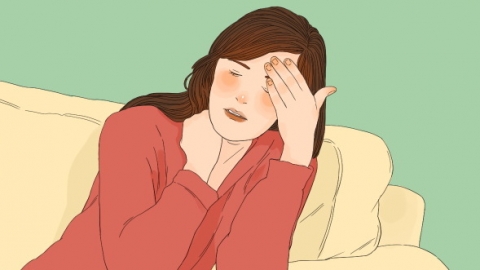
3. Generalized Anxiety Disorder: Persistent excessive worry and fear lead to autonomic nervous system dysfunction. Besides anxiety, patients may experience ongoing chest tightness, pressure, palpitations, and insomnia. Under medical guidance, patients may take medications such as sertraline tablets, paroxetine tablets, or oryzanol tablets to alleviate discomfort.
4. Panic Disorder: Sudden, intense fear triggers acute anxiety attacks, accompanied by severe chest pressure, shortness of breath, and suffocation. Episodes typically last from several minutes to tens of minutes. Under medical supervision, medications such as fluoxetine capsules, clonazepam tablets, or estazolam tablets may be used to improve symptoms.
5. Cardiac Neurosis: Psychological factors cause functional disturbances in the cardiovascular system. Despite the absence of organic disease, symptoms such as chest tightness and pressure occur, often accompanied by anxiety and low mood. Patients may follow medical advice to use propranolol tablets, vitamin B1 tablets, mecobalamin tablets, and other medications to relieve discomfort.
Maintain regular作息 (daily routines), engage moderately in gentle exercises such as walking or yoga, eat a light and balanced diet, communicate regularly with others, promptly address negative emotions, and maintain stable physical and mental health.




