


Can patients with anxiety disorder experience difficulty breathing or wake up feeling suffocated during sleep?
Nov 17, 2025
Source: Cainiu Health

Dr. Zhang Baohua
Introduction
In general, whether patients with anxiety disorder experience difficulty breathing or awaken from sleep due to suffocation depends on the type of anxiety disorder, severity of the condition, individual differences, and the presence of any comorbid conditions. Avoid drinking strong tea or coffee before bedtime; instead, a small cup of warm milk may help promote relaxation. Keep the bedroom well-ventilated, with suitable temperature and humidity, and choose comfortable pillows and bedding.
Generally, whether patients with anxiety disorder experience difficulty breathing or awaken due to suffocation during sleep depends on the type of anxiety disorder, severity of the condition, individual differences, and the presence of comorbid medical conditions. The specific analysis is as follows:
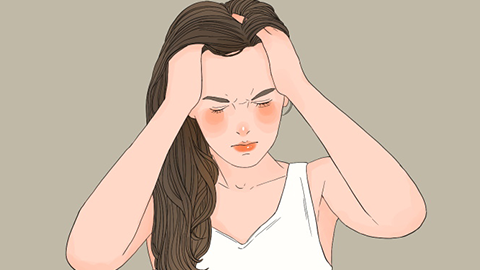
For patients primarily suffering from generalized anxiety disorder who have mild symptoms and no comorbid physical illnesses, breathing difficulties or awakening from breathlessness during sleep are uncommon. In these individuals, anxiety typically manifests as persistent worry, and sleep disturbances usually present as difficulty falling asleep or frequent dreaming. Since physiological functions remain largely normal, sleep problems can often be alleviated through emotional regulation.
Patients with panic disorder, severe anxiety, or those with comorbid physical conditions such as asthma or heart disease may experience episodes of breathing difficulty or sudden awakening during sleep. Panic attacks frequently involve symptoms like chest tightness and rapid breathing; when they occur at night, they can easily cause the patient to wake up gasping for air. When physical illnesses coexist with anxiety, respiratory dysfunction may worsen, making discomfort during sleep more pronounced.
To improve sleep quality, avoid strong tea or coffee before bedtime; instead, drink a small cup of warm milk to promote relaxation. Keep the bedroom well-ventilated with comfortable temperature and humidity, and use supportive pillows and bedding. Avoid electronic devices one hour before sleep, and engage in calming activities such as reading or listening to soothing music to divert attention. If breathing discomfort occurs at night, family members should provide timely reassurance and guide the patient through slow, deep breathing exercises. Frequent symptoms warrant prompt medical evaluation to identify underlying causes.





