


What are the somatic symptoms of anxiety disorder?
Nov 17, 2025
Source: Cainiu Health

Dr. Zhang Baohua
Introduction
Somatic symptoms of anxiety disorder include cardiovascular discomfort, respiratory abnormalities, gastrointestinal reactions, musculoskeletal tension, and neurological symptoms. These symptoms arise from psychological anxiety and are often mistaken for physical illnesses. If persistent somatic discomfort occurs without clear organic pathology on medical examination, timely medical evaluation is recommended.
Anxiety disorders can manifest physical symptoms such as cardiovascular discomfort, respiratory abnormalities, digestive reactions, muscle-skeletal tension, and neurological symptoms. These manifestations arise from psychological anxiety and are often mistaken for physical illnesses. If persistent physical discomfort occurs without clear organic pathology upon medical examination, timely medical consultation is recommended.
1. Cardiovascular discomfort: Symptoms include palpitations, chest tightness, rapid heartbeat, and in some individuals, temporary elevation of blood pressure. These result from sympathetic nervous system activation due to anxiety, leading to abnormal heart rate and blood vessel constriction.
2. Respiratory abnormalities: Common symptoms include chest tightness, shortness of breath, rapid breathing, and even a sensation of suffocation. These are typically caused by disrupted breathing patterns during anxiety—such as hyperventilation or shallow, rapid breathing—and are unrelated to structural lung disease.
3. Digestive system reactions: Symptoms may include stomach pain, bloating, nausea, vomiting, diarrhea, or constipation, along with possible loss of appetite. These reflect gastrointestinal dysfunction caused by anxiety-induced disturbances in gut motility and secretion of digestive fluids.
4. Musculoskeletal tension: Generalized muscle tightness and soreness, particularly noticeable in the neck, shoulders, lower back, and back muscles, may occur. Some individuals may also experience muscle tremors or twitching, resulting from sustained muscle contraction due to the body's stress response during anxiety.
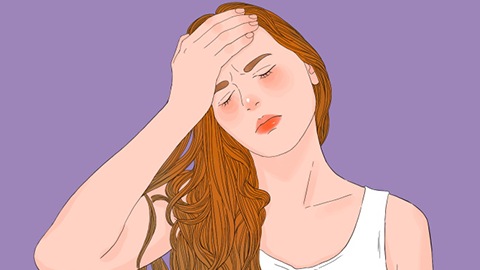
5. Neurological symptoms: These include dizziness, headaches, lightheadedness, difficulty concentrating, insomnia, vivid dreams, and frequent awakenings. They are associated with imbalances in neurotransmitter secretion and excessive brain activation caused by anxiety.
Maintain a regular daily routine and avoid staying up late. Practice deep breathing and meditation to relieve muscle tension. Engage in mild physical activities such as walking or yoga. Eat a light, easily digestible diet and reduce intake of caffeine and spicy foods to help regulate overall mental and physical well-being.



