


What are the physical symptoms of anxiety disorder?
Nov 17, 2025
Source: Cainiu Health

Dr. Zhang Baohua
Introduction
Physical symptoms caused by anxiety disorders are diverse, primarily affecting the cardiovascular, respiratory, nervous, and digestive systems, as well as sensory functions. Specific manifestations include palpitations, chest tightness, abnormal breathing, dizziness, headaches, gastrointestinal discomfort, and heightened sensory sensitivity. Managing these physical symptoms requires attention to emotional regulation, which can be achieved through techniques such as deep breathing and meditation to calm the mind.
Anxiety disorders can cause a variety of physical symptoms, primarily affecting the cardiovascular, respiratory, nervous, and digestive systems, as well as sensory functions. Specific manifestations include palpitations and chest tightness, abnormal breathing, dizziness and headaches, gastrointestinal discomfort, and heightened sensory sensitivity. A detailed analysis is as follows:
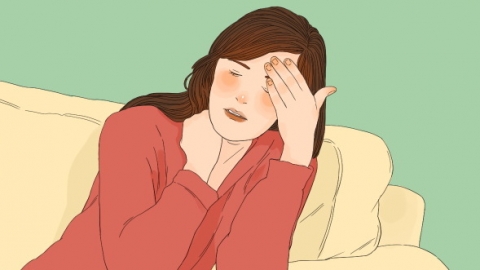
1. Palpitations and chest tightness: Anxiety can easily stimulate the cardiovascular system, leading to increased heart rate and arrhythmia, causing feelings of palpitations and restlessness. It may also be accompanied by chest tightness or a sensation of pressure in the chest. Some individuals may experience mild stabbing pain in the precordial area. Symptoms typically worsen during periods of emotional stress and may ease somewhat when calm.
2. Abnormal breathing: Patients often feel shortness of breath or difficulty breathing, unconsciously increasing both the depth and rate of respiration. In severe cases, this may lead to hyperventilation, resulting in symptoms such as numbness in the hands and feet or dizziness. This type of breathing disturbance is not due to organic disease but rather results from anxiety-induced dysregulation of respiratory control.
3. Dizziness and headaches: Head-related symptoms are common, often presenting as dull or throbbing pain on both sides of the temples or at the back of the head. The severity of pain usually correlates with the intensity of anxiety. Some individuals may experience lightheadedness or vertigo, which may worsen when standing or walking, though there is no obvious sensation of spinning vision.
4. Gastrointestinal discomfort: Anxiety can disrupt gastrointestinal function, leading to symptoms such as nausea, acid reflux, and belching. Some people may also experience abdominal pain, bloating, or diarrhea, with discomfort often worsening after meals. These symptoms lack a clear pattern and are not strongly linked to diet; they tend to gradually improve as emotional state stabilizes.
5. Sensory hypersensitivity: Patients become particularly sensitive to external stimuli such as sound and light—minor noises or bright lights may trigger irritability and unease. They may also experience abnormal skin sensations, such as itching, tingling, or formication (the feeling of insects crawling on the skin), despite no visible abnormalities on the skin surface.
To alleviate the physical symptoms of anxiety disorders, it is essential to focus on emotional regulation. Techniques such as deep breathing and meditation can help stabilize mood. Maintaining regular sleep patterns and engaging in moderate exercise can also effectively reduce the frequency of symptom episodes and help the body maintain a stable condition.



