


What are the physical symptoms of anxiety disorder?
Nov 17, 2025
Source: Cainiu Health

Dr. Zhang Baohua
Introduction
Physical symptoms of anxiety disorder include cardiovascular discomfort, respiratory abnormalities, gastrointestinal reactions, muscle-skeletal tension, and neurological or sensory symptoms. These physical manifestations often occur simultaneously with emotional anxiety and are easily mistaken for medical illnesses. If physical symptoms persist alongside anxiety, prompt medical evaluation is recommended. Unexplained rapid heartbeat or palpitations may occur.
Anxiety disorders can manifest with various physical symptoms, including cardiovascular discomfort, respiratory abnormalities, gastrointestinal reactions, musculoskeletal tension, and neurological or sensory symptoms. These physical manifestations often occur simultaneously with emotional anxiety and are easily mistaken for physical illnesses. If physical symptoms persist alongside anxiety, it is advisable to seek medical evaluation promptly.
1. Cardiovascular discomfort: Unexplained rapid heart rate or palpitations, sensations of irregular heartbeat, accompanied by mild increases in blood pressure, chest tightness, or chest pain. Some patients may experience intense panic that is difficult to calm, particularly during episodes of acute anxiety.
2. Respiratory abnormalities: Accelerated breathing, feelings of insufficient air, frequent deep breaths or sighing respiration. In severe cases, individuals may experience a sensation of suffocation. Despite no detectable respiratory disease upon examination, the distressing breathing sensations may persist.
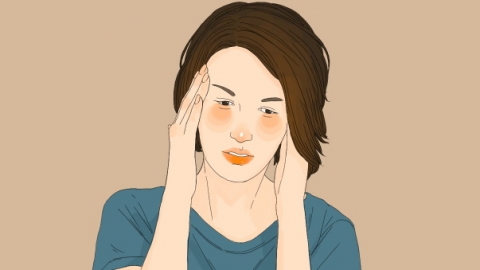
3. Gastrointestinal reactions: Symptoms such as acid reflux, nausea, bloating, diarrhea, constipation, or other signs of intestinal dysfunction. Appetite may significantly decrease or lead to episodes of binge eating. Additional symptoms may include dry mouth, bitter taste, or a sensation of a lump in the throat.
4. Musculoskeletal tension: Unexplained muscle tightness throughout the body, commonly presenting as stiff shoulders and neck, lower back pain, muscle tremors, or twitching. Prolonged muscle tension may lead to headaches and dizziness, and pressing on the muscles often causes noticeable soreness.
5. Neurological and sensory symptoms: Difficulty concentrating, accompanied by insomnia, vivid dreams, or frequent awakenings. Some patients may experience numbness or tingling in the hands and feet, excessive sweating, skin flushing, or minor fluctuations in body temperature.
Treatment primarily involves a combination of psychotherapy and medication, with cognitive behavioral therapy (CBT) commonly used to modify maladaptive thought patterns. In terms of self-care, maintaining regular sleep patterns, avoiding late nights and overexertion is essential. Practicing mindfulness meditation and slow breathing exercises can help relieve muscle tension. Reducing intake of caffeine and spicy foods, along with practicing self-acceptance and emotional regulation, are also important components of management.


