


What is bipolar disorder
Nov 17, 2025
Source: Cainiu Health

Dr. Zhang Baohua
Introduction
Bipolar disorder is a common chronic mood disorder characterized by extreme and alternating mood states—elevated mood during manic episodes and depressed mood during depressive episodes—with possible return to normal mood between episodes. If significant mood swings, impulsive behaviors, or persistent low mood occur, prompt medical evaluation is recommended. During manic episodes, patients experience abnormally elevated mood.
Bipolar disorder is a chronic, recurrent mood disorder characterized primarily by alternating episodes of mania and depression. During episodes, cognitive and social functioning are severely impaired, although some patients may return to normal between episodes. If persistent mood swings, impulsive behaviors, or suicidal thoughts occur, prompt medical attention is recommended.
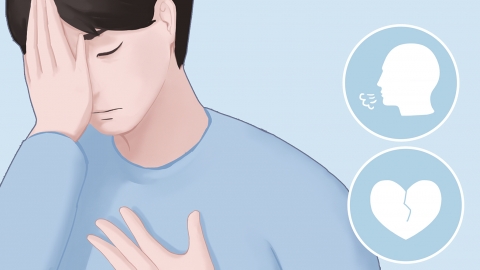
The causes of this disorder are closely related to genetic factors, neurotransmitter imbalances, and environmental stressors, with individuals having a family history at higher risk. Manic episodes are marked by elevated mood, racing thoughts, and impulsive spending, while depressive episodes involve low mood, loss of interest, and sleep disturbances. Some patients may also experience anxiety or physical discomfort.
Treatment centers on medication, with mood stabilizers commonly used to prevent mood fluctuations. Cognitive-behavioral therapy helps improve thinking patterns, and in severe cases, physical treatments such as electroconvulsive therapy may be combined to rapidly control symptoms. Treatment should always follow an individualized approach.
Maintaining regular sleep schedules and avoiding staying up late, minimizing exposure to major life changes, engaging in gentle exercises such as walking or yoga, and communicating regularly with family and friends can help stabilize daily routines and support emotional regulation.


