


What are the symptoms of depression?
Nov 17, 2025
Source: Cainiu Health

Dr. Zhang Baohua
Introduction
Symptoms of depression generally include persistent low mood, loss of interest and pleasure, significant reduction in energy, abnormal sleep patterns, and impaired cognitive function. Patients often remain in a state of sadness, discouragement, or emptiness for prolonged periods, exhibit blunted emotional responses, and fail to experience positive emotions even when confronted with activities that previously brought joy. Some patients may feel inexplicable helplessness and hopelessness.
Common symptoms of depression include persistent low mood, loss of interest and pleasure, significant reduction in energy, abnormal sleep patterns, and cognitive decline. A detailed analysis is as follows:
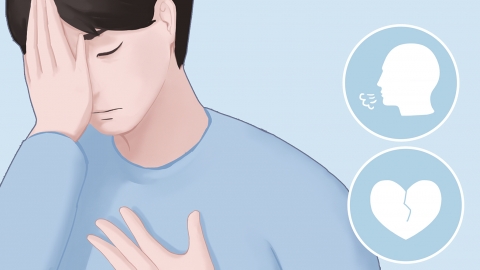
1. Persistent low mood: Patients often remain in a state of sadness, discouragement, or emptiness for prolonged periods. Their emotional responses become flat, showing no positive feelings even toward activities that previously brought joy. Some patients experience unexplained helplessness and hopelessness. This depressed state cannot be easily relieved through self-regulation and typically lasts for more than two weeks.
2. Loss of interest and pleasure: Individuals lose interest in hobbies, social activities, or work they once enjoyed. They avoid participating in any social or recreational events, and even if compelled to join, they derive no pleasure from them. They display indifference toward various aspects of life and gradually withdraw from interpersonal relationships.
3. Marked reduction in energy: Patients frequently feel extreme fatigue during daily activities. Even without engaging in physically or mentally demanding tasks, they experience weakness and lack of vitality. Simple household chores or work assignments require significantly more time and effort. In severe cases, individuals may stay in bed and resist getting up.
4. Abnormal sleep patterns: Common issues include difficulty falling asleep, lying in bed for long periods without being able to relax; light sleep and frequent awakenings, with difficulty returning to sleep after waking up at night; some patients may wake up much earlier than usual—several hours ahead of their normal time—and are unable to fall back asleep, resulting in daytime drowsiness and fatigue.
5. Cognitive impairment: Noticeable memory decline occurs, making it difficult to remember recent events or important information. Thinking slows down, problem-solving becomes laborious, concentration is impaired, and individuals are easily distracted by external stimuli. They struggle to focus on and complete tasks, and may even experience difficulty making decisions.
If you or someone close to you exhibits several of the above symptoms persistently and they significantly affect daily life, it is important to seek timely evaluation from a mental health professional. A proper diagnosis can be made through clinical assessment. Maintaining regular sleep schedules and engaging in moderate physical activity may help regulate mood. Avoid neglecting symptoms, as this could lead to worsening of the condition.








