


What does trypophobia feel like?
Nov 17, 2025
Source: Cainiu Health

Dr. Zhang Baohua
Introduction
Symptoms of trypophobia generally include visual discomfort leading to nausea, inexplicable tension and anxiety, skin itching or tingling sensations, rapid breathing and palpitations, as well as avoidance of related scenes or objects. Upon seeing tightly packed small objects—such as honeycombs, clusters of holes, or insect eggs—individuals may immediately experience intense visual discomfort, which can trigger nausea and a feeling of queasiness, and in severe cases, even an urge to vomit.
The sensations associated with trypophobia generally include nausea triggered by visual discomfort, inexplicable tension and anxiety, skin itching or tingling, rapid breathing and palpitations, and avoidance of related scenes or objects. A detailed analysis is as follows:
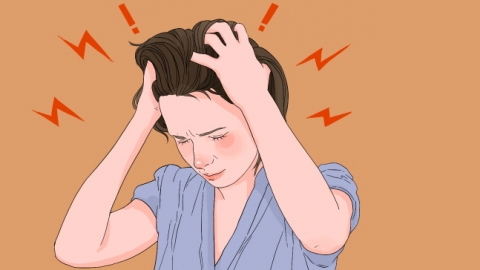
1. Nausea caused by visual discomfort: Viewing tightly packed small objects—such as honeycombs, clustered holes, insect eggs, etc.—can immediately trigger intense visual discomfort, leading to nausea or a queasy stomach. In severe cases, it may provoke an urge to vomit. Even after looking away, the discomfort may persist for some time before gradually subsiding.
2. Unexplained tension and anxiety: When confronted with dense patterns, individuals may suddenly feel tense and internally restless, yet struggle to identify the cause of their unease. This is often accompanied by difficulty concentrating and intrusive mental images of the clustered objects, resulting in uncontrollable irritability and anxiety.
3. Skin itching or tingling: Some patients experience abnormal skin sensations—such as itching, numbness, or prickling—after seeing or being exposed to clustered objects. They may feel as though tiny insects are crawling on or biting their skin, despite no actual physical abnormalities being present. These somatic sensations can intensify psychological distress.
4. Rapid breathing and palpitations: Exposure to densely packed stimuli can trigger a stress response in the body, manifesting as accelerated breathing, shortness of breath, heart palpitations, and increased heart rate. In severe cases, symptoms such as chest tightness and dizziness may occur, leaving the body in a state of heightened tension that is difficult to relax.
5. Avoidance of related scenes or objects: To prevent the aforementioned discomfort, individuals may actively avoid situations where they might encounter dense patterns—for example, steering clear of clothing with clustered designs, refusing to view images or videos containing dense elements, or even taking detours to avoid trees with beehives. Excessive avoidance behaviors can interfere with daily life.
If you or someone close to you shows significant symptoms of trypophobia that affect daily functioning, gradual and limited exposure to such stimuli may help build tolerance. However, if the symptoms are severe, it is advisable to seek professional psychological support to alleviate fear through scientifically based methods and reduce its impact on everyday life.







