


What are the methods for managing neurasthenia?
Nov 17, 2025
Source: Cainiu Health

Dr. Zhang Baohua
Introduction
Methods for managing neurasthenia generally include regulating daily routines, relieving emotional stress, optimizing diet, engaging in moderate physical exercise, and improving the sleep environment. Maintain fixed times for waking up and going to bed every day, avoid staying up late or oversleeping, and keep a consistent schedule even on weekends. By stabilizing the body's biological clock, these practices help the nervous system establish a rhythmic pattern, thereby reducing issues such as fatigue and difficulty concentrating.
Methods for managing neurasthenia generally include regulating daily routines, relieving emotional stress, optimizing diet, engaging in moderate exercise, and improving the sleep environment. Specific details are as follows:
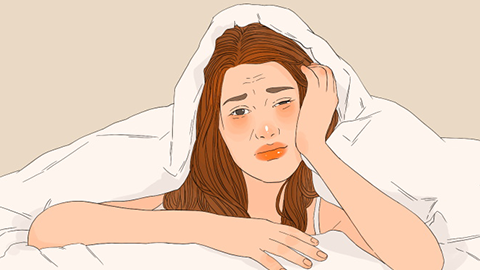
1. Regulating Daily Routine: Maintain fixed times for waking up and going to bed every day, avoiding staying up late or oversleeping, and keeping a consistent schedule even on weekends. A stable biological clock helps the nervous system establish a rhythm, reducing issues such as fatigue and poor concentration.
2. Emotional Stress Relief: Write down thoughts in a journal or talk to others to prevent buildup of negative emotions; practice meditation or deep breathing for 10–15 minutes daily to reduce anxiety and tension that can overstimulate the nervous system.
3. Dietary Optimization: Reduce intake of caffeine, strong tea, and alcohol, and avoid stimulating beverages before bedtime. Increase consumption of whole grains, nuts, and leafy green vegetables to supplement B vitamins and magnesium, which support nervous system stability.
4. Moderate Physical Exercise: Choose gentle activities such as walking or yoga, exercising 3–4 times per week for about 30 minutes each session. This promotes blood circulation, reduces stress hormones, improves nerve function, and avoids intense physical activity close to bedtime.
5. Improving Sleep Environment: Keep the bedroom quiet, dark, and at a comfortable temperature, and use comfortable bedding. Avoid electronic devices before sleep; instead, read or listen to soothing music to relax and facilitate deeper sleep.
If symptoms of neurasthenia (such as persistent insomnia, headaches, or fatigue) do not improve after a period of self-management, or if they interfere with normal work and daily life, it is important to seek medical help promptly. Under professional guidance, medication or psychological therapy may be necessary to prevent long-term effects on mental and physical health.


